




Advancing SDG 3: Good Health & Well-Being with Digital Health
How Telemedicine, Remote Consultations, and Preventive Care are Shaping the Future of Healthcare?
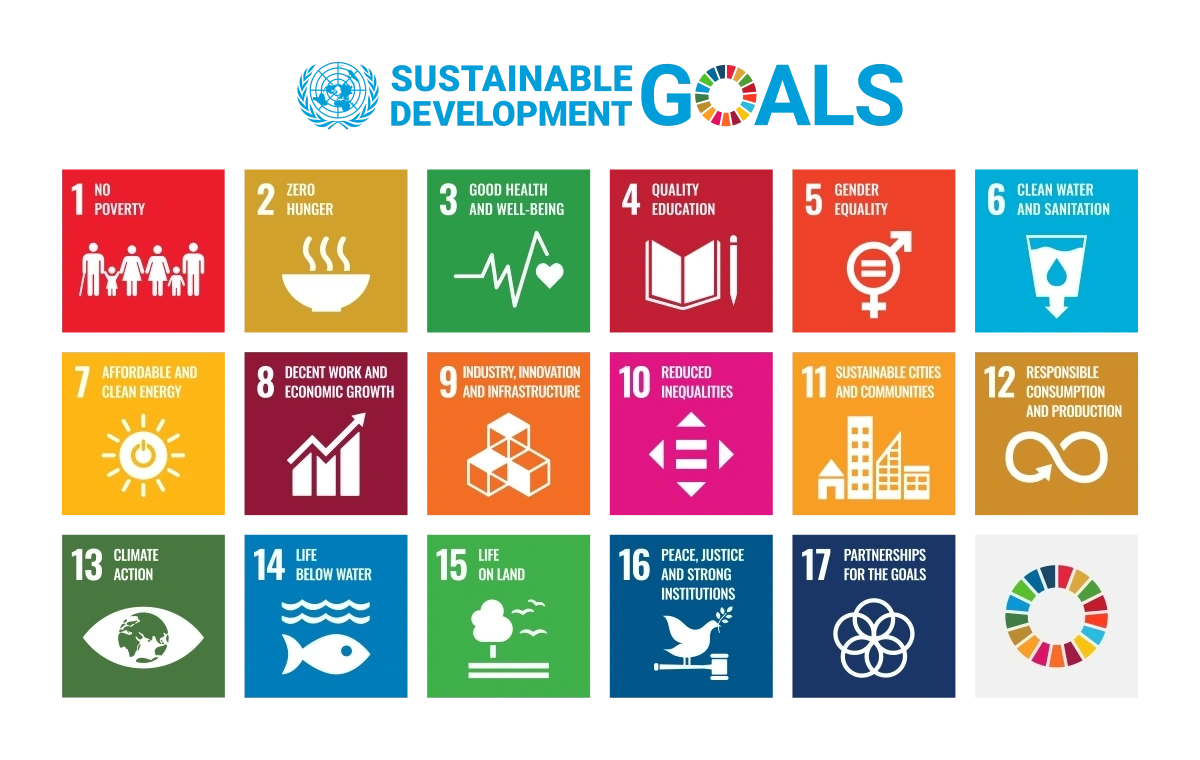
The United Nations' Sustainable Development Goal 3 (SDG 3) focuses on ensuring good health and well-being for all people, regardless of their location, income, or background. This goal emphasizes achieving universal health coverage, improving health outcomes, and enhancing the quality of care. As we move toward the future of healthcare, digital health solutions such as telemedicine, remote consultations, and preventive care tools are proving vital in shaping a more accessible, equitable, and effective healthcare system worldwide. This blog explores how these digital innovations are advancing SDG 3 and transforming healthcare delivery.
1. Understanding SDG 3: Good Health and Well-Being
At the heart of SDG 3 is the aim to ensure healthy lives and promote well-being for all, at all ages. This goal seeks to reduce the global burden of disease, enhance health services, and make healthcare accessible to everyone, especially in underserved communities. Achieving universal health coverage and improving health outcomes requires new approaches to overcome long-standing barriers such as geographic disparities, lack of resources, and inefficiencies in traditional healthcare systems. Digital health solutions are crucial in overcoming these challenges by offering scalable, sustainable, and innovative ways to improve health systems and outcomes globally.
2. Increasing Healthcare Access with Digital Health Solutions
Healthcare access remains one of the most pressing global challenges, especially in rural or remote areas. Digital health technologies are offering new opportunities to bridge this gap. Mobile health apps, online health platforms, and wearable technologies are breaking down traditional barriers by allowing patients to seek care from home, regardless of their location.
The World Health Organization’s mHealth Initiative supports a wide range of mobile health interventions across over 53 countries, improving access to maternal health, vaccination services, and disease prevention. In Sub-Saharan Africa, mobile platforms help monitor chronic conditions like hypertension and diabetes, promoting better disease management and offering crucial health education and treatment reminders to underserved populations.
3. The Role of Telemedicine in Healthcare Access
Telemedicine is one of the most transformative components of digital health, providing remote healthcare services through telecommunications technology, including virtual consultations with doctors, mental health professionals, and specialists. By offering healthcare from a distance, telemedicine removes barriers like geographical isolation, mobility limitations, and long wait times.
WHO’s Global Strategy on Digital Health integrates telemedicine into national healthcare strategies, especially in low-resource settings. This strategy expands healthcare services, particularly in regions with limited medical facilities. In countries like Fiji and Vanuatu, WHO supports telemedicine initiatives connecting patients in remote areas with healthcare providers in urban centres, enabling essential services like maternal care and chronic disease management to be delivered remotely.
4. Digital Platforms: A Bridge to Accessible Healthcare
Digital health platforms, which integrate various healthcare services into one accessible system, are revolutionizing healthcare. These platforms allow individuals to access medical consultations, prescriptions, educational resources, and wellness tracking tools—all through a single digital interface.
The WHO Digital Health Atlas is a global repository of digital health interventions, helping stakeholders identify scalable solutions and integrate digital health into national systems. Participating countries use the Atlas to plan and implement new health technology projects, such as mobile health platforms in India and Pakistan to improve vaccination coverage and maternal health outcomes.
5. Remote Consultations: Revolutionizing Patient Care
Remote consultations allow patients to consult with healthcare professionals via video calls, phone calls, or online messaging, making healthcare more convenient and affordable. This reduces the need for in-person visits, making healthcare more accessible, especially in regions with limited infrastructure.
WHO collaborates with governments and regional organizations to introduce telemedicine hubs in countries like Kenya, Nigeria, and South Africa. These hubs allow healthcare providers in urban centres to consult with patients in remote areas, improving access to maternal care, HIV/AIDS management, and chronic disease monitoring. In Kenya, the Kenya Medical Research Institute (KEMRI) uses telehealth technologies to manage infectious diseases in underserved regions.
6. Focusing on Preventive Care Through Technology
One of the most significant benefits of digital health tools is their focus on preventive care. With the help of technology, individuals can track health metrics, adopt healthier behaviours, and access personalized advice to prevent chronic diseases before they arise.
WHO’s Global Network for Age-Friendly Cities integrates digital health solutions to promote healthy ageing. Wearables like Fitbit or Apple Watch help older adults monitor their health, including physical activity, sleep patterns, and chronic conditions. These technologies, combined with WHO’s age-friendly health policies, enable seniors to maintain independence and manage health conditions more effectively, particularly in aging societies like Japan and Europe.
7. Enabling Early Diagnosis with Accessible Digital Tools
Early diagnosis is crucial to improving health outcomes, especially for diseases like cancer, diabetes, and cardiovascular conditions. Digital health tools such as diagnostic apps, wearables, and AI-powered platforms are enabling faster, more accurate diagnoses, even before symptoms appear.
While WHO does not have a formal "AI for Health Initiative," it promotes AI’s use through its Global Strategy on Digital Health. AI technologies, in collaboration with organizations like DeepMind and IBM Watson Health, help detect diseases like tuberculosis and diabetic retinopathy early. In India, DeepMind’s AI tool is helping detect diabetic retinopathy, demonstrating AI’s impact on early detection, particularly in underserved areas.
8. Developing Digital Tools for Disease Prevention
The development of digital tools for disease prevention is a promising area in digital health. Mobile apps and wearables not only assist with diagnosis and treatment but also promote behaviours that prevent diseases before they occur.
WHO’s SMS-based programs in countries like Malawi and Zambia send health tips, vaccination reminders, and preventive care information directly to individuals’ mobile phones. This digital intervention helps people in remote regions stay informed and adopt healthier lifestyles, improving overall health outcomes.
9. Providing Health and Wellness Education to Underserved Communities
Digital platforms can provide valuable health and wellness education to underserved communities, which is often the key to improving health outcomes. Offering free, accessible educational content in multiple languages and formats empowers individuals to prevent disease, live healthy lives, and manage their health effectively.
WHO’s Global Health Learning Platform provides free educational resources to healthcare workers and community members. It covers topics like maternal health, immunization, and nutrition, helping individuals in underserved areas prevent disease and improve their quality of life.
10. Distributing Health Resources for Preventive Care and Lifestyle Changes
Digital health solutions can ensure that resources like educational materials, exercise programs, mental health support, and wellness guides reach the populations that need them most.
WHO’s GHWN focuses on training healthcare workers and advocates for the adoption of mobile health technologies. These technologies help healthcare workers manage patient data and improve care in low-resource settings, ensuring that vulnerable populations receive quality care.
11. The Future of Digital Health in Achieving SDG 3
As technology evolves, the future of digital health holds immense potential. From AI-powered diagnostics to robotic surgery and genetic testing, digital health has the capacity to reshape healthcare systems and improve outcomes. Continued investment in digital tools, combined with greater access to the internet and mobile technologies, will drive further progress toward health equity and improved healthcare quality.
WHO’s Digital Health Strategy (2020–2025) focuses on scaling digital health technologies to achieve universal health coverage and health equity. It promotes health information systems, telemedicine, and AI technologies to strengthen health systems, especially in low-resource settings.
12. Qurocare's Initiatives: Transforming Healthcare Access and DeliveryQurocare is at the forefront of transforming healthcare by integrating cutting-edge digital solutions with compassionate, hands-on care. Our innovative projects aim to make healthcare more accessible, efficient, and equitable for everyone. Some of the key initiatives include:
- Qurocare Health Service (QHS): A network of physical clinics strategically located in urban and rural areas, offering essential in-person medical services alongside digital consultations. These clinics address geographic barriers, ensuring underserved communities receive vital health services with convenience and efficiency.
- Digital Health Integration: By combining digital health tools such as mobile health apps, wearable devices, and telemedicine, Qurocare offers a seamless healthcare experience, empowering individuals to manage their health from the comfort of their homes. Our platform ensures that health data is easily accessible, making proactive care more effective.
- AI-Driven Diagnostics: Qurocare harnesses the power of artificial intelligence to provide early detection and personalized treatment plans. From advanced diagnostics for chronic conditions to predicting potential health risks, our AI-powered solutions deliver accurate, real-time insights, enhancing both patient outcomes and healthcare efficiency.
- Remote Patient Monitoring: Through digital platforms, Qurocare enables continuous monitoring of patients, especially those with chronic conditions, ensuring real-time interventions and reducing hospital visits. This proactive approach improves patient outcomes while reducing healthcare costs.
- Health Education and Empowerment: At Qurocare, we believe in the power of education. Our digital platforms provide accessible health and wellness resources, including prevention tips, lifestyle management, and wellness programs. By equipping individuals with the right knowledge, we help them lead healthier lives and take charge of their well-being.
- Community-Centered Care: Qurocare’s community-focused model ensures that healthcare services are not only accessible but also culturally sensitive and relevant. We prioritize underserved populations and tailor our services to meet the specific health needs of diverse communities.
- Seamless Integration of Home Care: Through our Homecare Services, we bring healthcare directly to patients' homes, whether for palliative care, post-surgery recovery, or chronic disease management. This flexible approach ensures patients receive the care they need in a comfortable and familiar environment, without the need for frequent hospital visits. Conclusion
By adopting digital health solutions, we can create a more equitable and sustainable healthcare system, ensuring that everyone—regardless of socio-economic status or location—has access to the care they need. Through innovations like telemedicine, remote consultations, and a focus on preventive care, digital health is driving progress toward SDG 3, making health a universal right. As technology advances, the future of healthcare holds immense potential to improve health outcomes and transform lives on a global scale