




Smart Snacking for Better Health: A Starter Guide
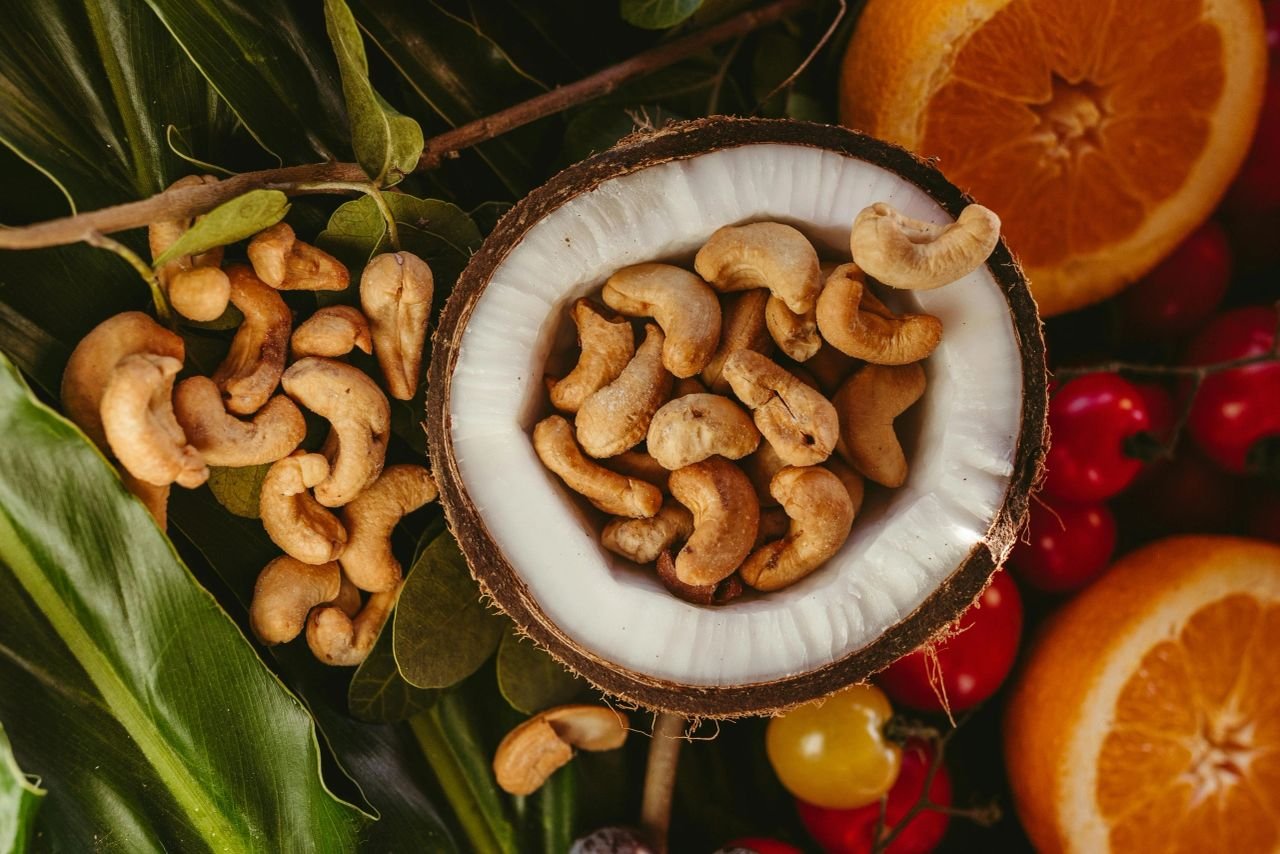
Do you often find yourself reaching for unhealthy snacks when hunger strikes? Snacking can be a great way to boost energy and nutrition, but making the right choices is crucial for your health. Healthy snacking refers to the practice of consuming small portions of nutrient-dense foods between regular meals to provide the body with essential vitamins, minerals, and energy without excessive calories or unhealthy ingredients. Here’s a focused approach to incorporating healthy snacking into your routine.
Why Healthy Snacking Matters
Healthy snacks are crucial for maintaining energy and nutrient balance. Studies indicate that regular intake of nutrient-dense snacks prevents metabolic slowdowns during long intervals without food, which can negatively impact energy levels. Additionally, nutritional snacking stabilizes blood sugar, essential for optimal focus and productivity, while reducing the likelihood of overeating at main meals, which is often linked to weight management. Healthy snacking provides a convenient way to fuel your body, especially during busy days when meal prep is challenging.
What Constitutes a Healthy Snack?
A healthy snack should be high in fiber, protein, healthy fats, and essential vitamins while low in added sugars and unhealthy fats. Research suggests that aiming for snacks that provide at least 3 grams of fiber can enhance satiety and digestive health, while including at least 5 grams of protein can help sustain energy levels and keep you full longer. Aim for snacks that are rich in fiber, protein, and healthy fats, while keeping added sugars and unhealthy fats to a minimum. For instance, fruits paired with nuts offer a great balance of nutrients.
10 Healthy Snack Ideas to Try
- Fruits: Nutrient-Rich Options - Bananas and Guavas: Bananas are a rich source of potassium, aiding in electrolyte balance and supporting heart health. Guavas, loaded with dietary fiber and vitamin C, help improve digestion and boost immunity. Together, these fruits contribute to overall health and enhance metabolic function.
- Vegetables: Vital Nutrients for Health - Carrots, abundant in beta-carotene, support eye health and immune function. Hummus, made from chickpeas (chana), tahini, and olive oil, provides protein, fiber, and healthy fats, promoting cardiovascular health and enhancing satiety.
- Nuts & Seeds: Heart-Healthy Choices - Almonds provide essential nutrients like protein, vitamin E, and magnesium, benefiting heart and muscle health. Flaxseeds are rich in omega-3 fatty acids, fiber, and antioxidants, supporting heart health and reducing inflammation. This combination offers sustained energy and improved nutrient absorption.
- Dairy: Probiotic and Nutritional Benefits - Curd(Dahi) is an excellent source of probiotics, supporting digestive health by maintaining gut microbiota balance. It is also high in calcium and protein, essential for bone strength and muscle repair. Pairing it with locally available fruits like pomegranate or a drizzle of honey enhances its flavor and adds antioxidants.
- Whole Grains: Fiber and Energy Sources - Whole grain crackers provide complex carbohydrates and dietary fiber, supporting digestion and promoting fullness. When combined with peanut butter (commonly used in India), they offer protein and healthy fats, while avocado adds heart-healthy monounsaturated fats and potassium.
- Legumes: Protein and Fiber Powerhouses - Boiled chickpeas (Chana) are rich in plant-based protein and fiber, aiding in satiety and muscle repair. They provide essential nutrients like folate and vitamin K, supporting heart health and reducing inflammation. This is a commonly consumed snack in India, offering sustained energy.
- Whole Grains: Sustained Energy Sources - Instant oatmeal cups made from whole oats are high in soluble fiber, helping lower cholesterol and stabilize blood sugar levels. They provide complex carbohydrates for gradual energy release. Adding local nuts like almonds or fruits like mangoes can further boost their nutritional value.
- Seafood: Omega-3 Fatty Acids - Smoked Indian mackerel (bangda) is rich in omega-3 fatty acids, which are crucial for heart health and brain function. Paired with whole grain crackers, this snack adds fiber and complex carbohydrates, supporting cardiovascular and cognitive health.
- Fermented Foods: Gut Health Boosters A smoothie made with buttermilk (chaas), a fermented drink rich in probiotics, can improve gut health and support immune function. Blending it with fruits like mangoes or bananas adds flavor and essential vitamins.
- Dark Chocolate: Antioxidant-Rich Treat - Dark chocolate (70% cocoa or higher) contains flavonoids linked to improved heart health and reduced inflammation. Pairing it with locally available nuts like almonds or cashews enhances its nutritional benefits, making it a satisfying and healthy treat. Strategies for Incorporating Healthy Snacking
Incorporating healthy snacks into your daily routine can significantly enhance your overall nutrition and well-being. By making mindful choices, you can enjoy delicious snacks that not only satisfy your cravings but also provide essential nutrients. Here are some effective strategies to help you embrace healthier snacking habits, ensuring you stay on track with your health goals while enjoying a variety of tasty options:
- Plan Your Snacks: Creating a snack plan is essential, as studies show that pre-planning helps individuals make healthier food choices and stick to their nutrition goals.
- Control Portion Sizes: Measuring your snacks helps manage caloric intake, with research indicating that portion control can significantly impact weight management.
- Combine Nutrients: A balanced snack should contain protein, fiber, and healthy fats, as research demonstrates that such combinations improve satiety and prevent energy dips.
- Choose Whole Foods: Avoid highly processed snacks; studies reveal that whole foods are associated with better overall health outcomes.
- Respond to Hunger Cues: Snacking only when you experience genuine hunger fosters a better relationship with food, supported by research that highlights the importance of mindful eating. The Importance of an Empty Stomach Before Sleep
While late-night snacking is common, consider the advantages of allowing your digestive system to rest overnight. Research shows that an empty stomach facilitates cellular repair during sleep and can improve sleep quality and metabolic health. If you feel hungry before bed, choose light options like a small serving of yogurt or nuts, which can satisfy hunger without disrupting sleep.
The Benefits of Healthy Snacking
Healthy snacks provide sustained energy, reducing the likelihood of crashes throughout the day, as indicated by studies on energy management. Choosing nutrient-dense options can help regulate appetite and limit overeating during main meals, supporting weight control, which has been confirmed in various dietary research. As shown in psychological studies, balanced snacks contribute to stable blood sugar levels, positively impacting mood and cognitive performance.
Conclusion
To optimize your snacking habits, focus on incorporating a variety of whole foods, such as fruits, vegetables, nuts, and whole grains. These options provide essential vitamins, minerals, and antioxidants that support your overall health. Research indicates that snacks high in fiber and protein can stabilize blood sugar levels, reduce cravings, and improve satiety, ultimately aiding in weight management.
Planning your snacks in advance is crucial to ensure they align with your nutritional goals. For instance, pairing protein-rich foods with complex carbohydrates can enhance energy levels and boost cognitive function throughout the day.
Transform your snacking habits by prioritizing health and nutrition, supported by evidence-based practices. Make it a habit to read labels and select snacks with minimal added sugars and unhealthy fats. By practicing mindful eating—paying attention to hunger cues and savoring each bite—you can foster a healthier relationship with food.
Healthy snacking is a practical approach to enhancing your diet and overall well-being. By choosing nutrient-rich options and monitoring portion sizes, you can make snacking a beneficial part of your daily routine. Focused snacking helps meet your energy needs and supports long-term wellness goals, paving the way for a more vibrant lifestyle. Embrace the change and prioritize your health through smart snacking choices.
*Image Courtesy: *Jonathan Borba