




Understanding Vaccinations: Your Health Protection Guide
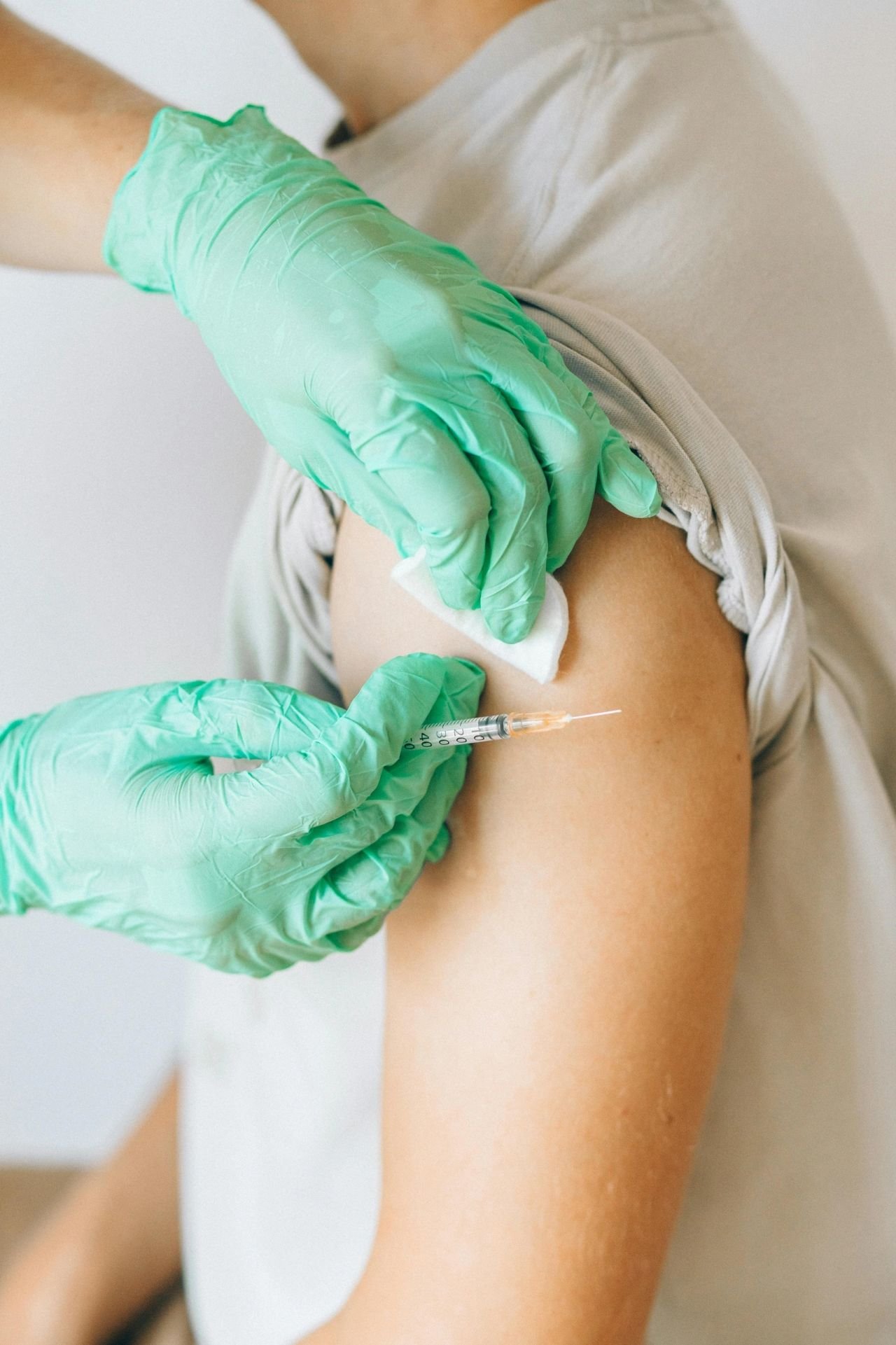
Vaccinations are a cornerstone of public health, offering protection against numerous diseases and fostering healthier communities. This guide addresses common queries related to vaccinations, providing clarity on their importance, timing, and benefits.
Vaccination and Immunization: What's the Difference?
The terms "vaccination" and "immunization" are often used interchangeably, but they have distinct meanings. Vaccination refers to the act of receiving a vaccine to produce immunity against a disease. Immunization is the process by which a person becomes protected against a disease through vaccination. Essentially, vaccination is the means, and immunization is the end result. Understanding this distinction is vital for appreciating the role of vaccines in disease prevention.
Vaccination Timing: Key Stages in Life
**At Birth: **Newborns receive critical vaccinations to start their immunization journey.
-
BCG (Bacillus Calmette–Guérin): Protects against tuberculosis, a serious bacterial infection.
-
Hepatitis B: The first dose is administered to prevent hepatitis B infection, which can cause chronic liver disease. **At 6 Weeks: **As infants grow, their immune systems require further strengthening.
-
DTP (Diphtheria, Tetanus, Pertussis): The first dose to protect against these severe diseases.
-
OPV (Oral Polio Vaccine): The first dose to safeguard against polio.
-
Hepatitis B: The second dose, typically given at 1-2 months of age, to continue building immunity.
-
Hib (Haemophilus influenzae type b): Protects against bacterial infections like meningitis.
-
Rotavirus: The first dose to prevent severe diarrhea in infants. **At 10 Weeks: **As infants continue to develop, additional vaccines are essential to bolster their immune defenses.
-
DTP (Diphtheria, Tetanus, Pertussis): The second dose to ensure ongoing protection against these serious illnesses.
-
Hib (Haemophilus influenzae type b): The second dose to further safeguard against bacterial infections like meningitis.
-
OPV (Oral Polio Vaccine): The second dose to maintain immunity against polio.
-
Rotavirus: The second dose to continue preventing severe diarrhea in infants. **At 6 Months: **Continued immunization helps maintain and build upon initial protection.
-
DTP: The third dose ensures sustained immunity.
-
Hepatitis B: The third dose solidifies protection against liver disease.
-
OPV: The third dose fortifies defenses against polio.
-
Hib: The third dose to continue preventing bacterial infections.
-
Influenza: Annual vaccination starts at 6 months to protect against flu viruses. **At 5 Years of Age:**Boosters and additional vaccines ensure continued protection as children enter school age.
-
DTP: A booster dose to maintain immunity against diphtheria, tetanus, and pertussis.
-
MMR (Measles, Mumps, Rubella): The second dose to ensure comprehensive protection.
-
OPV: A booster dose to reinforce immunity against polio. **At 11-12 Years of Age: **Pre-teens receive vaccinations crucial for their continued health into adolescence.
-
HPV (Human Papillomavirus): The first dose to prevent cervical cancer and other HPV-related diseases.
-
Tetanus and diphtheria (Td): A booster dose to maintain protection. Vaccination for Special Situations
Vaccinations play a crucial role in protecting individuals and communities from infectious diseases. Understanding when and which vaccines are necessary can significantly impact health outcomes, especially during specific life stages and medical conditions. Here’s a comprehensive guide to essential vaccinations before pregnancy, during pregnancy, after birth, and following a splenectomy.
Before Pregnancy in India
Women planning to become pregnant should ensure they are up-to-date on vaccinations to protect themselves and their future babies from serious infections. Preparing for a healthy pregnancy involves the following vaccinations:
- Rubella: Receiving the rubella vaccine before pregnancy is essential. Rubella, also known as German measles, can cause congenital rubella syndrome (CRS) if a woman contracts the virus during pregnancy. CRS can lead to severe birth defects such as heart problems, developmental delays, and hearing impairment. Vaccination before conception ensures the mother’s immunity, preventing these complications and safeguarding the health of the future baby.
- Hepatitis B: Vaccination against hepatitis B is crucial before pregnancy. Hepatitis B is a viral infection that can be transmitted from mother to child during childbirth, leading to chronic liver disease and other serious health issues. Ensuring immunity against hepatitis B before pregnancy protects both the mother and the baby, reducing the risk of transmission and subsequent liver complications. During Pregnancy
Certain vaccines are vital during pregnancy to protect both the mother and the unborn child from potentially severe illnesses. These vaccines are recommended to prevent infections that can have serious implications for both:
- Influenza: Pregnant women are more susceptible to severe illness from the flu. Influenza can lead to complications such as pneumonia, preterm labor, and other severe outcomes. The influenza vaccine is recommended during any stage of pregnancy to safeguard against these flu-related complications, ensuring the health of both mother and baby.
- Tdap (Tetanus, Diphtheria, Pertussis): Administered during the early part of the third trimester (between 27 and 36 weeks), the Tdap vaccine protects the newborn from whooping cough (pertussis). Pertussis is highly contagious and can be life-threatening in infants. The Tdap vaccine helps provide passive immunity to the baby through the mother, protecting the newborn until they can be vaccinated themselves. After Birth
Newborns receive critical vaccinations shortly after birth to protect them from severe infections. Early vaccination is key to ensuring lifelong health:
- Hepatitis B: The first dose of the hepatitis B vaccine is given within 24 hours of birth. This early vaccination is crucial for preventing chronic hepatitis B infection, which can lead to serious liver disease later in life. Immediate protection at birth reduces the risk of mother-to-child transmission, providing the baby with a healthy start. After Splenectomy
Individuals who have undergone a splenectomy (removal of the spleen) are at increased risk for infections due to the spleen's role in fighting bacteria. Specific vaccines are necessary to protect them from serious infections:
- Pneumococcal: The pneumococcal vaccine protects against infections such as pneumonia, meningitis, and bloodstream infections. Without a spleen, the body is more vulnerable to these bacterial infections, which can be severe and life-threatening. Vaccination ensures robust protection against pneumococcal diseases.
- Meningococcal: This vaccine prevents meningitis, a potentially fatal inflammation of the membranes covering the brain and spinal cord. Individuals without a spleen are at higher risk for meningococcal infections, making this vaccination essential for their health. Both MenACWY and MenB vaccines are recommended.
- Hib (Haemophilus influenzae type b): The Hib vaccine protects against bacterial infections that can lead to severe diseases like meningitis and epiglottitis. Without a spleen, the immune system’s ability to combat these infections is compromised, making vaccination crucial for preventing serious complications. Vaccination Benefits and Guidelines
Prevents Diseases: Vaccines significantly reduce the risk of contracting infectious diseases, many of which can be deadly or cause long-term health issues. By stimulating the body's immune system, vaccines provide a safe and effective way to develop immunity without the need to endure the actual disease.
Promotes Herd Immunity: When a large portion of the community is vaccinated, it reduces the spread of disease, protecting those who cannot be vaccinated due to medical reasons. Herd immunity is crucial in protecting vulnerable populations, such as infants, the elderly, and those with weakened immune systems.
Reduces Healthcare Costs: Preventing diseases through vaccination lowers medical costs associated with treating those illnesses. This includes not only direct medical expenses but also indirect costs such as lost productivity and long-term disability care.
Guidelines in India
Follow the National Immunization Schedule: India’s National Immunization Schedule provides a comprehensive guide for timely vaccinations from infancy through adulthood. Adhering to this schedule ensures that individuals receive vaccines at the optimal times to confer the best protection against diseases.
Ensure Proper Intervals Between Doses: To maximize the effectiveness of vaccines, it is essential to follow the recommended intervals between doses. Proper spacing ensures that the immune system has adequate time to build a robust response to each dose, enhancing overall immunity.
Common Vaccinations
**For Babies and Kids: **Early childhood vaccinations are crucial for protecting young children from severe diseases:
-
Polio: Protects against poliovirus, which can cause paralysis.
-
DTP (Diphtheria, Tetanus, Pertussis): Guards against diphtheria, tetanus (lockjaw), and whooping cough (pertussis).
-
Hepatitis B: Prevents liver infections caused by the hepatitis B virus.
-
Hib (Haemophilus influenzae type b): Protects against bacterial infections that can cause meningitis and pneumonia.
-
Rotavirus: Prevents severe diarrhea and dehydration caused by rotavirus infection.
-
Influenza: Annual flu vaccination helps prevent flu-related complications in young children. As children grow older, additional vaccines become important to maintain immunity:
-
MMR (Measles, Mumps, Rubella): Protects against measles, mumps, and rubella viruses.
-
Varicella (Chickenpox): Prevents chickenpox, a highly contagious viral infection.
-
HPV (Human Papillomavirus): Recommended starting at ages 11-12, prevents HPV infections that can lead to cervical cancer and other cancers later in life. **For Adults:**Vaccinations are essential throughout adulthood to maintain health and prevent diseases:
-
Influenza: Annual flu shot helps protect against seasonal influenza viruses.
-
Td (Tetanus, Diphtheria): Booster shot every 10 years to maintain immunity against tetanus and diphtheria.
-
Hepatitis A and B: Protects against hepatitis A and B viruses, which can cause liver disease.
-
HPV (Human Papillomavirus): Recommended up to age 26, and in some cases, up to age 45, to prevent HPV-related cancers **For Pregnant Women:**During pregnancy, certain vaccines are crucial to protect both mother and baby:
-
Influenza: Protects against flu-related complications during pregnancy.
-
Tdap (Tetanus, Diphtheria, Pertussis): Administered during each pregnancy to protect newborns from whooping cough (pertussis). **For Animals:**Pets also require vaccinations to prevent infectious diseases and protect public health:
-
Rabies: Essential for dogs and cats to prevent rabies, a fatal viral disease that can be transmitted to humans.
-
Canine Distemper and Parvovirus: Protects dogs from highly contagious and potentially fatal viral infections.
-
Feline Leukemia: Prevents a viral disease that weakens a cat's immune system, making them susceptible to other infections. Vaccinations are a cornerstone of preventive healthcare, safeguarding individuals and communities from serious infectious diseases. Keeping up-to-date with recommended vaccination schedules ensures ongoing protection and promotes overall well-being.
Special Considerations
**Understanding Vaccination Failures: **While rare, vaccination failures can occur due to improper storage, incorrect administration, or an individual’s unique immune response. Understanding these factors helps in addressing and minimizing their occurrence.
Conclusion
Vaccinations are not just needles; they are shields against diseases that can impact our health and well-being. By ensuring you and your loved ones receive recommended vaccinations, you are taking proactive steps towards a healthier future. From protecting newborns against life-threatening infections to guarding adults from preventable illnesses, vaccinations play a vital role in keeping communities safe.
Staying informed about vaccination schedules and their benefits empowers you to make informed healthcare decisions. It's about more than personal health—it's about community health. Each vaccinated individual contributes to building a shield of immunity that protects those who may be vulnerable, ensuring everyone can lead healthier lives.
As we navigate through life's journey, let's embrace the power of vaccinations to safeguard our families, our communities, and ourselves. Together, we can create a world where preventable diseases are a thing of the past, and health is a universal priority. Vaccinations are our shield, our protection, and our commitment to a brighter, healthier tomorrow.
Disclaimer:* The information provided in this blog is purely informative in nature and should not be considered as medical advice. Always consult with qualified medical professionals or health specialists before taking any vaccinations or making healthcare decisions.*