




A Breath of Fresh Air: Indoor Air Quality for a Healthier Life

Introduction
Indoor air pollution is a significant yet often overlooked environmental health issue. While much attention is given to outdoor air pollution, the quality of the air inside our homes, offices, and other enclosed spaces is just as critical, if not more so. Given that people spend an estimated 90% of their time indoors, the air they breathe can impact their health significantly. Poor indoor air quality (IAQ) has been linked to various health conditions, from minor irritations to severe respiratory and cardiovascular diseases. Understanding the sources, effects, and mitigation strategies for indoor air pollution is essential for safeguarding public health.
Common Sources of Indoor Air Pollution
Indoor air pollution arises from multiple sources, including biological, chemical, and particulate pollutants. These sources include:
1. Household Combustion: The use of solid fuels such as wood, coal, and biomass for cooking and heating produces harmful pollutants like carbon monoxide (CO), particulate matter (PM), and volatile organic compounds (VOCs). Gas stoves and kerosene heaters also emit nitrogen dioxide (NO2), which can be detrimental to respiratory health.
2. Building Materials and Furnishings: Many construction materials, paints, and furniture release VOCs, including formaldehyde, which can irritate the respiratory system and contribute to long-term health issues. As homes become more airtight for energy efficiency, these emissions become trapped, leading to higher exposure levels.

3. Tobacco Smoke: Secondhand smoke contains thousands of harmful chemicals, including carcinogens, posing significant health risks to both smokers and non-smokers. Additionally, thirdhand smoke—residual chemicals that linger on surfaces—can contribute to prolonged exposure.
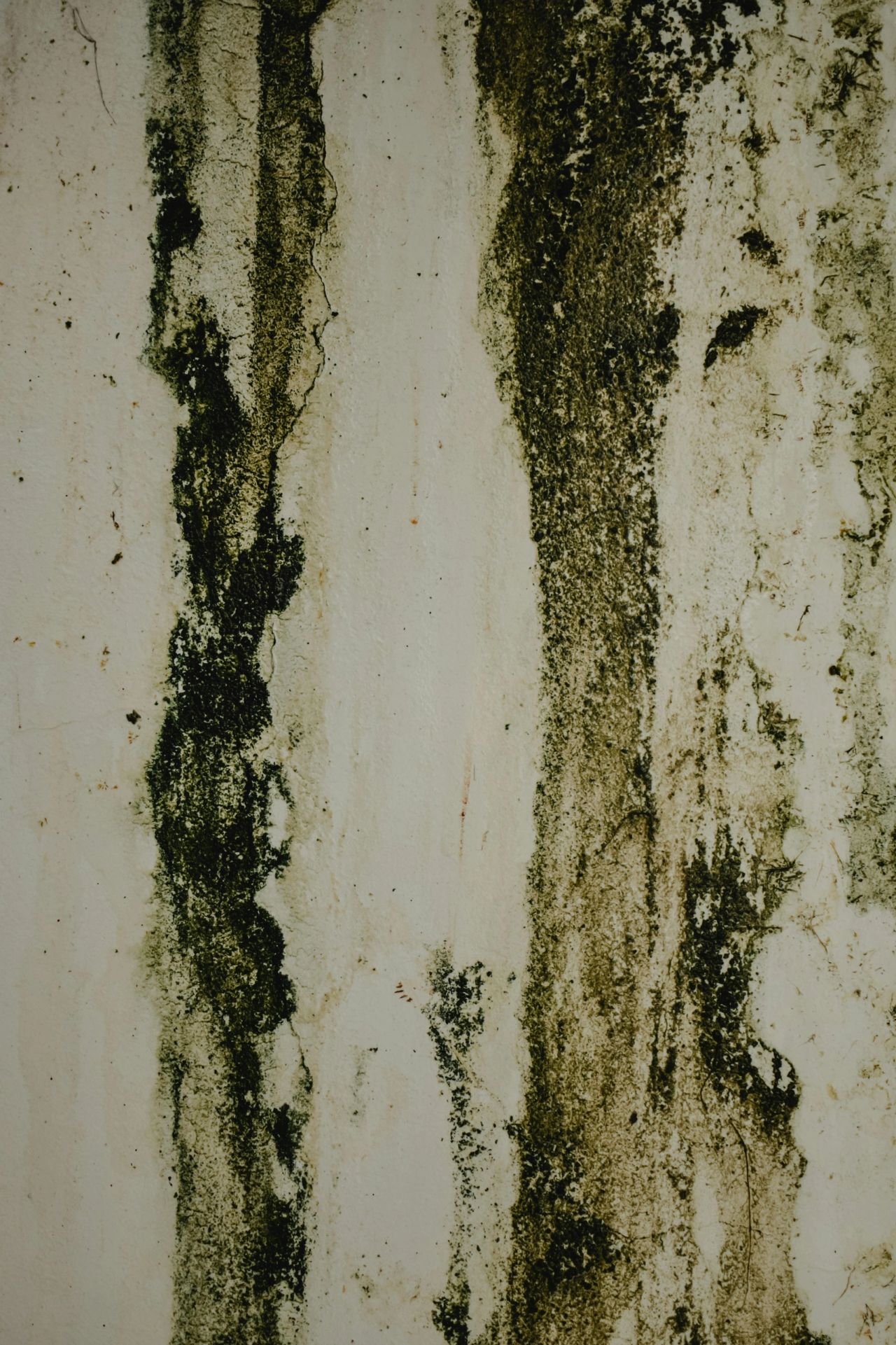
4. Biological Contaminants: Mould, dust mites, pet dander, bacteria, and pollen can trigger allergies, asthma, and other respiratory issues. Damp environments and poor ventilation can exacerbate the spread of these biological pollutants, leading to chronic health problems.
5. Household Cleaning Products and Personal Care Items: Many commercial cleaning products, air fresheners, and personal care products emit VOCs and other harmful substances that degrade indoor air quality. The frequent use of aerosol sprays and synthetic fragrances can significantly contribute to indoor pollution.
6. Poor Ventilation: Inadequate ventilation traps pollutants indoors, leading to higher concentrations of harmful substances. Many modern buildings are designed to be energy efficient, but without adequate air exchange, pollutants accumulate to unhealthy levels.
Health Effects of Indoor Air Pollution
The health impacts of indoor air pollution vary based on factors such as exposure duration, individual sensitivity, and the type of pollutants present. Some key health effects include:
1. Respiratory Issues
Indoor air pollution can cause or exacerbate respiratory diseases, including:
- Asthma: Exposure to allergens such as dust mites, mould, and pet dander can trigger asthma attacks.
- Chronic Obstructive Pulmonary Disease (COPD): Long-term exposure to pollutants such as smoke and particulate matter can contribute to COPD.
- Lung Infections: Poor air quality increases susceptibility to respiratory infections such as pneumonia and bronchitis.
- Reduced Lung Function in Children: Children exposed to high levels of indoor pollution can experience decreased lung growth and development. 2. Cardiovascular Effects
Exposure to fine particulate matter (PM2.5) has been linked to heart disease, high blood pressure, and an increased risk of stroke. Pollutants like carbon monoxide reduce oxygen delivery to the body, putting extra strain on the heart. Long-term exposure has also been associated with increased risks of heart attacks and arrhythmias.
3. Neurological and Cognitive Impacts
Recent research suggests that poor indoor air quality may contribute to neurological conditions, including:
- Memory loss and increased risk of dementia.
- Reduced concentration, headaches, and fatigue.
- Developmental delays in children exposed to high levels of indoor pollutants.
- Increased risk of mental health issues, including depression and anxiety, due to long-term exposure to airborne toxins. 4. Cancer Risks
Certain indoor pollutants, such as radon gas and formaldehyde, are known to cause cancer. Prolonged exposure can significantly increase the risk of lung and other cancers. Additionally, exposure to benzene, found in some household products, has been linked to leukaemia and other blood disorders.
5. Irritation and Allergies
Exposure to VOCs, mould, and other irritants can lead to eye, nose, and throat irritation, causing discomfort and allergic reactions. Symptoms such as sneezing, coughing, and skin rashes can be triggered or worsened by indoor air pollutants.
Populations at Higher Risk
Certain groups are more vulnerable to the effects of indoor air pollution, including:
- Children: Their developing respiratory systems make them more susceptible to pollutants, and their higher breathing rates lead to increased exposure.
- Elderly Individuals: Ageing lungs and preexisting health conditions increase sensitivity.
- People with Preexisting Conditions: Those with asthma, allergies, or heart disease face greater risks.
- Pregnant Women: Exposure to harmful pollutants can impact foetal development, leading to complications such as low birth weight and developmental delays.
- Low-Income Populations: Individuals in lower-income communities often live in environments with higher levels of indoor pollution due to inadequate housing conditions and limited access to clean energy sources. Strategies to Improve Indoor Air Quality
Improving indoor air quality is crucial for maintaining good health. Here are effective measures to mitigate indoor air pollution:
1. Increase Ventilation
-
Open windows and doors when weather permits.
-
Use exhaust fans in kitchens and bathrooms to remove pollutants.
-
Install mechanical ventilation systems with air filters. 2. Use Air Purifiers
-
High-efficiency particulate air (HEPA) filters can help remove airborne particles.
-
Activated carbon filters can reduce VOCs and odours.
-
Consider air purifiers with UV technology to kill bacteria and viruses.

3. Reduce Indoor Pollutant Sources
-
Avoid smoking indoors.
-
Choose low-VOC paints, furniture, and building materials.
-
Use natural or non-toxic cleaning products. 4. Control Humidity Levels
-
Maintain indoor humidity between 30% and 50% to prevent mould growth.
-
Use dehumidifiers in damp areas.
-
Fix leaks and improve drainage to reduce moisture. 5. Regular Cleaning and Maintenance
-
Vacuum carpets and upholstery using HEPA filters.
-
Clean air ducts, fans, and vents regularly.
-
Wash bedding, curtains, and soft furnishings to reduce allergens. 6. Monitor Indoor Air Quality
-
Use indoor air quality monitors to track pollutant levels.
-
Test for radon and take appropriate measures if high levels are detected. Conclusion
Indoor air pollution is a pressing public health issue that affects millions of people worldwide. The risks associated with poor indoor air quality range from minor irritations to life-threatening conditions. By understanding the sources and effects of indoor pollutants, individuals and policymakers can take proactive steps to improve air quality. Simple measures such as increasing ventilation, using air purifiers, and reducing pollutant sources can significantly enhance indoor environments. Ultimately, improving indoor air quality is an investment in better health for everyone.
Article by Dr. Adarsh Anil
Healthcare Specialist, Qurocare
Sources
- Indoor Air Pollution and Health - World Health Organization (WHO)
- Indoor Air Quality Basics - Environmental Protection Agency (EPA)
- Health Effects of Indoor Air Pollution - National Institute of Environmental Health Sciences (NIEHS)
- Household Air Pollution and Noncommunicable Diseases - National Library of Medicine (PMC)
- Common Indoor Air Pollutants - American Lung Association
- Asthma and Indoor Air Pollution - Centers for Disease Control and Prevention (CDC)
- Radon and Cancer Risk - National Cancer Institute
- Managing Moisture and Mold - EPA Mold Guide
- Reducing Indoor Pollution Exposure - Occupational Safety and Health Administration (OSHA) *Photo by Eva Bronzini Gera Cejas Ron Lach *Cats Coming