




Digital Detox and Mental Health: Why Unplugging Matters

In today’s fast-paced world, digital devices have become an inseparable part of our daily lives. We rely on smartphones, social media, emails, and streaming platforms for work, entertainment, and communication. While technology has undoubtedly made life more convenient, excessive screen time has been linked to various mental health issues such as anxiety, stress, depression, and sleep disorders. This is where a digital detox comes in—a conscious decision to take a break from digital devices to restore mental well-being.
Scientific research shows that reducing screen time can significantly improve mental health, helping people feel more focused, less anxious, and more connected to the world around them. In this blog, we will explore the importance of a digital detox, its benefits, and simple ways to incorporate it into daily life.
The Science Behind Digital Overload
1. Increased Stress and Anxiety
Studies have shown that constant digital engagement increases stress and anxiety levels. A 2017 study published in the journal Computers in Human Behavior found that high social media usage correlates with increased feelings of loneliness and anxiety. The “always-on” culture forces people to stay connected at all times, leading to digital fatigue and mental exhaustion.

2. Sleep Disruptions
The blue light emitted by screens suppresses the production of melatonin, a hormone responsible for regulating sleep. A 2019 study in JAMA Pediatrics found that children and adults who use screens before bedtime experience shorter sleep duration and poorer sleep quality. Poor sleep has been linked to mood disorders, cognitive decline, and a weakened immune system.
3. Decreased Attention Span and Productivity
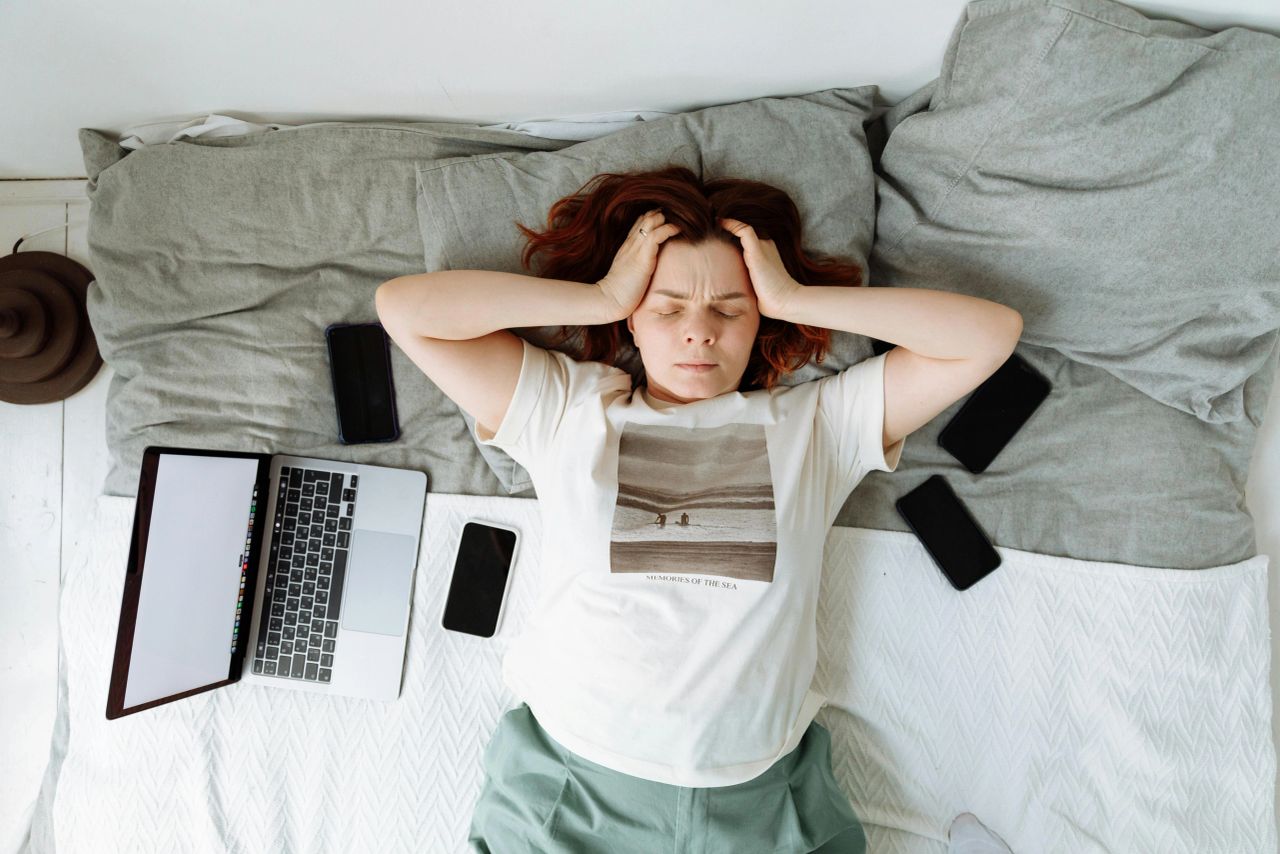
Constant notifications and multitasking reduce our ability to focus. A study from the University of California, Irvine, found that it takes an average of 23 minutes to regain focus after a digital distraction. This scattered attention can lead to decreased productivity, frustration, and even burnout.

4. The Dopamine Trap
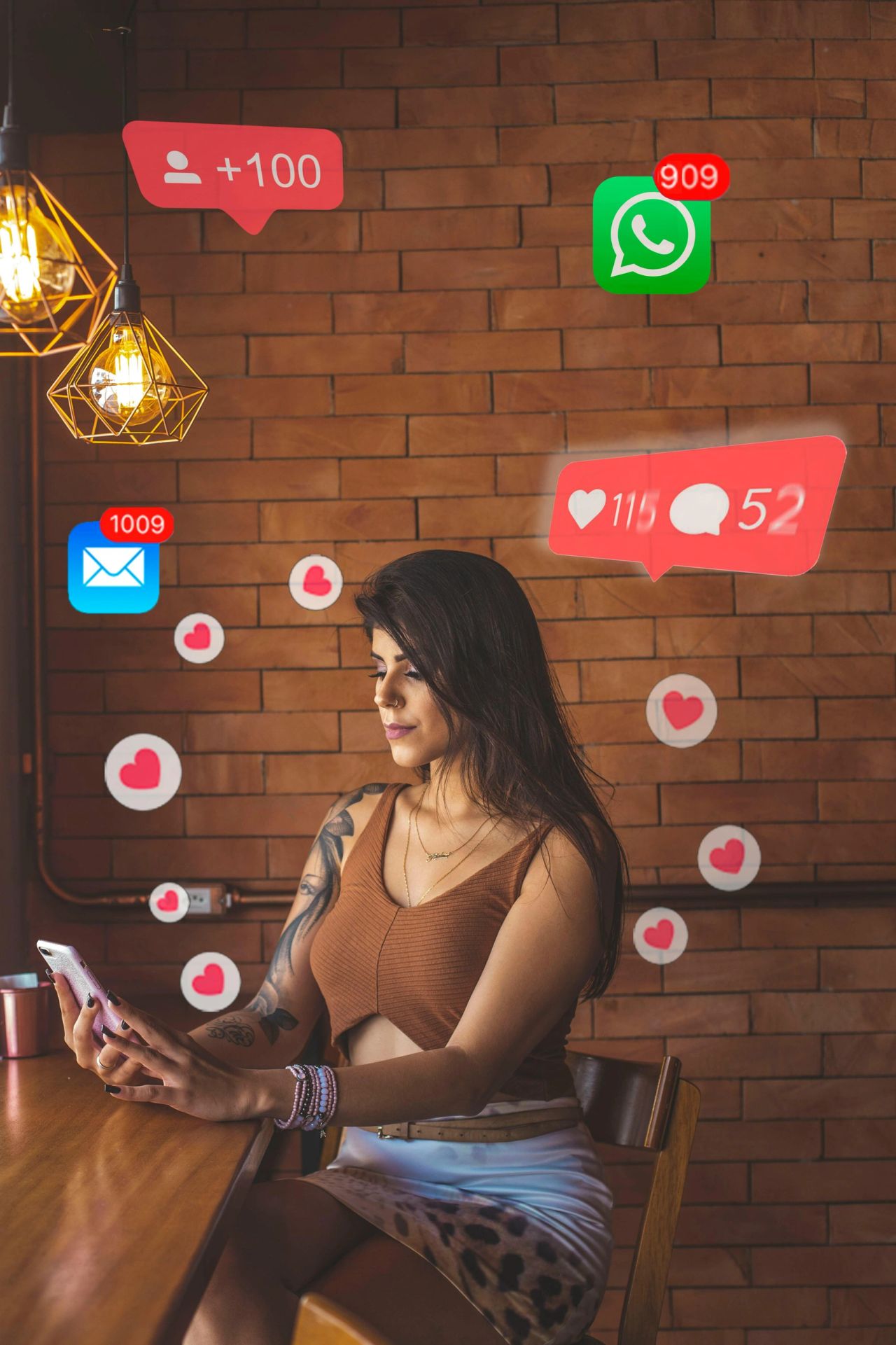
Social media platforms are designed to be addictive. Every like, comment, or notification releases dopamine, the brain’s “feel-good” chemical. Over time, excessive use of social media can lead to addictive behaviours, similar to substance abuse. A study from the University of Pittsburgh found that excessive social media use is linked to an increased risk of depression and lower self-esteem.
What is a Digital Detox?

A digital detox is a conscious decision to take a break from digital devices, especially smartphones, social media, and the internet. It is about reducing screen time to improve mental well-being, increase productivity, and reconnect with the real world.
This does not mean you have to completely give up technology forever. Instead, a digital detox is a temporary break—maybe a few hours, a day, or even a week—where you disconnect from unnecessary screen exposure. The goal is to reset your mind, reduce stress, and create a healthier relationship with technology.
The Mental Health Benefits of a Digital Detox
1. Reduced Anxiety and Stress
A digital detox can lower cortisol levels, the body’s primary stress hormone. A study from the American Psychological Association found that people who took breaks from social media reported lower stress levels and improved emotional well-being.

2. Improved Sleep Quality
By reducing screen time, especially before bed, people experience **better sleep **and feel more refreshed in the morning. Studies suggest that turning off devices at least one hour before bedtime can enhance sleep quality by promoting melatonin production.
3. Enhanced Focus and Productivity
Without constant digital distractions, people can concentrate better on tasks, increasing efficiency and creativity. Research from the University of London found that excessive multitasking with digital devices lowers IQ scores and reduces cognitive performance.
4. Stronger Personal Connections
Taking a break from screens allows people to be more present in their relationships. Face-to-face interactions build deeper emotional bonds, improving overall happiness and reducing feelings of isolation.

Simple Ways to Start a Digital Detox
1. Set Screen-Free Zones: Designate areas in your home, like the bedroom or dining table, as screen-free zones to encourage real-life interactions.
2. Schedule “No-Phone” Hours: Dedicate specific times during the day to stay away from devices, such as during meals or before bedtime.
3. Use “Do Not Disturb” Mode: Turn off non-essential notifications to minimise distractions and stay focused.
4. Try a Social Media Fast: Take a break from social media for a day, weekend, or even a week to reset your mind.
5. Engage in Offline Activities: Read a book, go for a walk, meditate, or spend quality time with family and friends.
6. Limit Work Emails After Hours: Set boundaries by avoiding work-related messages during personal time to maintain a healthy work-life balance.
Sustainability of Digital Detox Practices
Incorporating a digital detox into your life may be challenging at first, but with consistency, it can become a sustainable habit. Here are some tips to make digital detoxing a valuable part of your lifestyle:
- Gradual Implementation: Start by gradually increasing the amount of time spent away from devices. For example, begin with 15 minutes each day and slowly increase it as you become more comfortable.
- Mindfulness Techniques: Engage in mindfulness practices, such as meditation or yoga, to help transition into a digital-free mindset. These techniques can enhance self-awareness and promote healthier habits.
- Community Involvement: Share your intentions for a digital detox with friends and family. Involving others not only provides support but also motivates you to stick to your detox goals.
- Reflect on Your Progress: Keep a journal during your detox to track your feelings, productivity, and how your relationships improve. Reflecting on your experiences can strengthen your resolve to maintain healthier screen habits. Conclusion: Find Balance, Not Elimination
A digital detox does not mean rejecting technology entirely—it is about finding a balance that promotes mental well-being. By setting healthy boundaries and being mindful of screen time, people can enjoy the benefits of technology while prioritising their mental health. Even small changes, like reducing bedtime screen usage or setting aside screen-free hours, can lead to significant improvements in stress levels, sleep quality, and overall happiness.
In a world dominated by screens, taking a step back can be one of the most powerful ways to move forward. So, are you ready to unplug and reconnect with yourself? As you embark on your digital detox journey, remember that it is perfectly okay to indulge in technology responsibly. Embrace a balance that enhances your mental health and cultivate richer, more meaningful interactions with those around you. The journey may be challenging, but the rewards are undoubtedly worth the effort.
Article by Dr. Adarsh Anil
Healthcare Specialist, Qurocare
***Reviewed By ***Dr. Kaveri Manoharan
Medical Writer, Qurocare
Sources
- Carter, B., Rees, P., Hale, L., Bhattacharjee, D., & Paradkar, M. S. (2016). Association between portable screen-based media device use before bedtime and sleep outcomes: A systematic review and meta-analysis. JAMA Pediatrics, 170(12), 1202-1208. Association Between Portable Screen-Based Media Device Access or Use and Sleep Outcomes: A Systematic Review and Meta-analysis | Sleep Medicine | JAMA Pediatrics | JAMA Network
- Keles, B., McCrae, N., & Grealish, A. (2020). A systematic review: The influence of social media on depression, anxiety, and psychological distress in adolescents. International Journal of Adolescence and Youth, 25(1), 79-93. Full article: A systematic review: the influence of social media on depression, anxiety and psychological distress in adolescents
- Levenson, J. C., Shensa, A., Sidani, J. E., Colditz, J. B., & Primack, B. A. (2017). Social media use before bedtime and sleep disturbance among young adults. Sleep Health, 3(6), 462-469. The role of social networks in supporting the travel needs of people after serious traumatic injury: A nested qualitative study - ScienceDirect
- Lin, L. Y., Sidani, J. E., Shensa, A., Radovic, A., Miller, E., Colditz, J. B., Hoffman, B. L., & Primack, B. A. (2016). Association between social media use and depression among U.S. young adults. Depression and Anxiety, 33(4), 323-331. ASSOCIATION BETWEEN SOCIAL MEDIA USE AND DEPRESSION AMONG U.S. YOUNG ADULTS - Lin - 2016
- Mark, G., Gudith, D., & Klocke, U. (2008). The cost of interrupted work: More speed and stress. Proceedings of the SIGCHI Conference on Human Factors in Computing Systems, 107-110. The cost of interrupted work | Proceedings of the SIGCHI Conference on Human Factors in Computing Systems
- Meshi, D., Tamir, D. I., & Heekeren, H. R. (2015). The emerging neuroscience of social media. Trends in Cognitive Sciences, 19(12), 771-782. The Emerging Neuroscience of Social Media - ScienceDirect
- Ophir, E., Nass, C., & Wagner, A. D. (2009). Cognitive control in media multitaskers. Proceedings of the National Academy of Sciences, 106(37), 15583-15587. Cognitive control in media multitaskers | PNAS
- Przybylski, A. K., & Weinstein, N. (2017). A large-scale test of the Goldilocks hypothesis: Quantifying the relations between digital-screen use and the mental well-being of adolescents. Psychological Science, 28(2), 204-215. A Large-Scale Test of the Goldilocks Hypothesis - Andrew K. Przybylski, Netta Weinstein, 2017
- Twenge, J. M., Krizan, Z., & Hisler, G. (2017). Trends in mood and sleep among adolescents in the US, 2009–2017: Associations with increased digital media screen time. Journal of Clinical Psychology, 75(2), 225-233. A dialectical behavior therapy skills intervention for women with suicidal behaviors in rural Nepal: A single‐case experimental design series
- American Psychological Association. (2017). Stress in America: Coping with Change. Retrieved from https://www.apa.org/news/press/releases/stress/2017/coping-with-change *Photos by Ron Lach, Andre Moura, Thirdman, Natalia Olivera, Dalila Dalprat, KoolShooters, nappy, *fauxels