




Understanding Hypertension: The Silent Killer
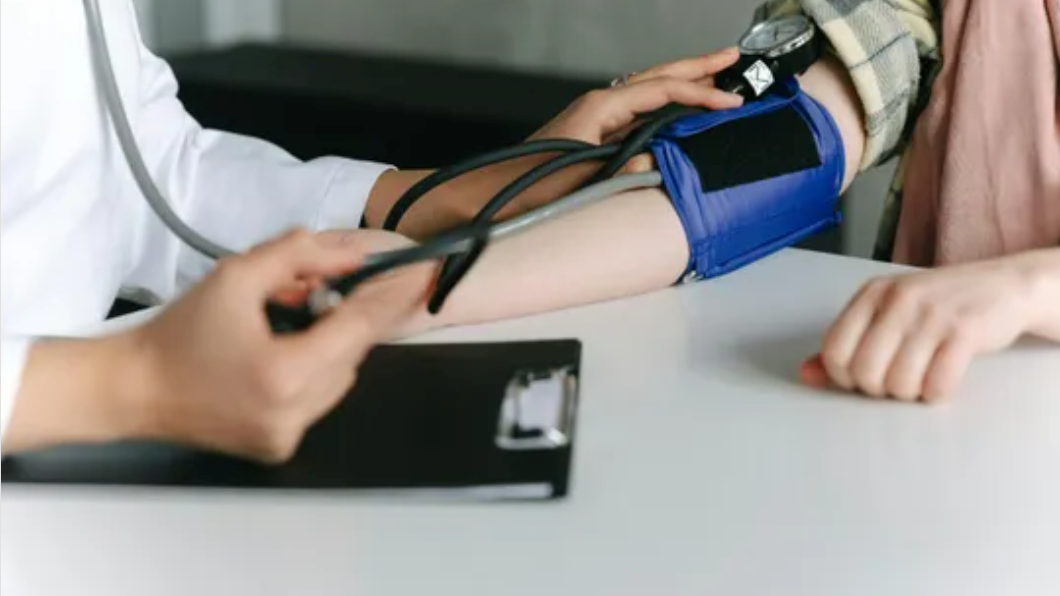
Hypertension, commonly known as high blood pressure, is a major health concern affecting billions globally. Despite it affecting billions of people worldwide and killing close to 10 million people every year, it is often overlooked because of its "silent" nature. Many people live with hypertension without any noticeable symptoms until severe complications occur. I would like to use this blog post to dive deep into what hypertension is, why it’s essential to manage it, and how to take control of your health.
What is Hypertension?
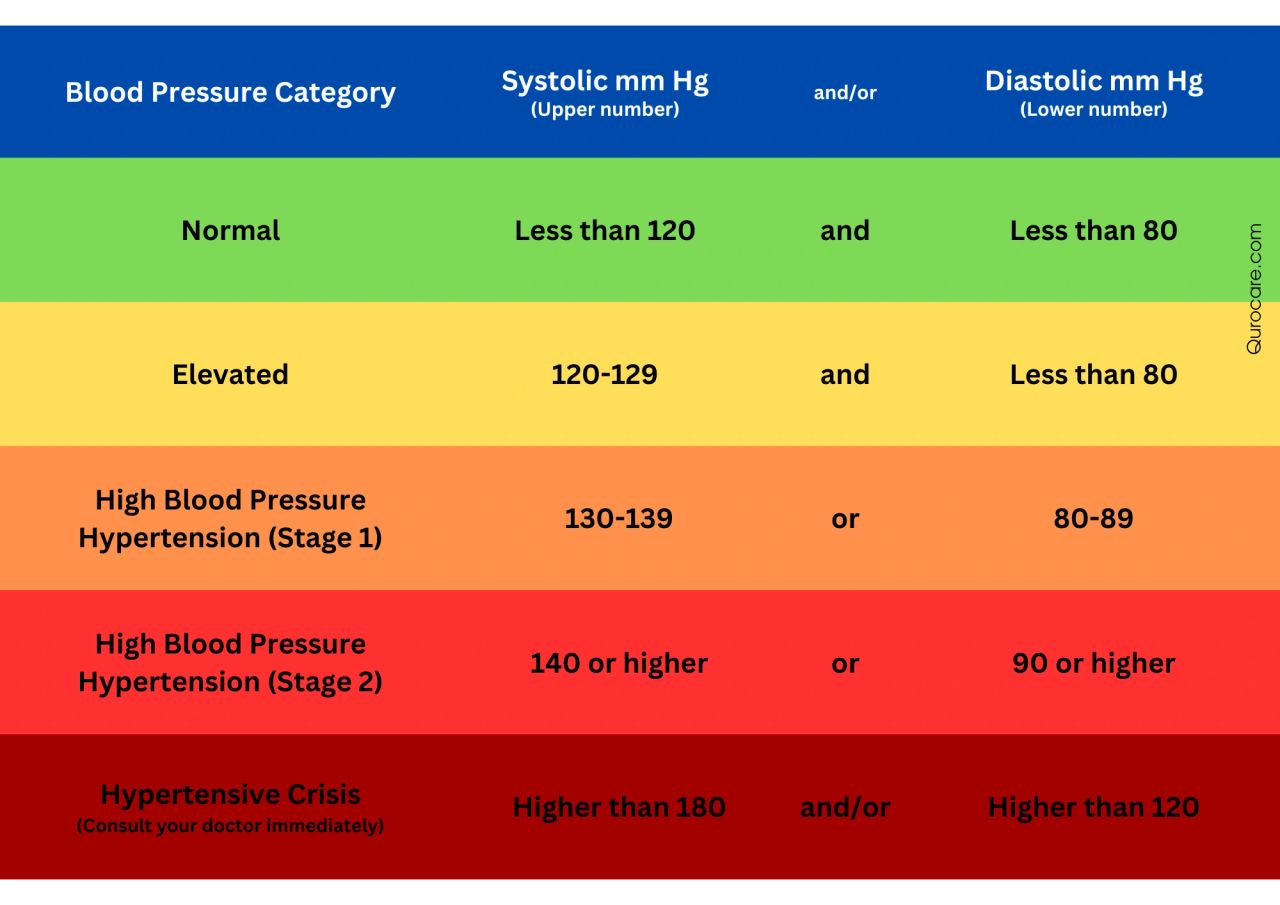
Hypertension occurs when the pressure in your blood vessels remains consistently above 140/90 mmHg. Blood pressure is measured in two numbers:
- Systolic Pressure: The force exerted on your arteries during heartbeats.
- Diastolic Pressure: The force exerted on your arteries between beats.
Why Should You Care About Hypertension?
Hypertension is often called the “silent killer” for a reason. It typically shows no symptoms until it reaches dangerous levels, leading to serious complications such as:
- Heart Disease: Chronic high blood pressure strains the heart, increasing the risk of heart attacks and heart failure.
- Stroke: High blood pressure damages blood vessels in the brain, leading to strokes.
- Kidney Failure: The kidneys are highly sensitive to changes in blood pressure, and hypertension can cause irreversible damage.
- Vision Loss: Hypertension can damage blood vessels in the eyes, leading to vision impairment. Early detection and management are crucial in preventing these outcomes and maintaining overall well-being.
Risk Factors and Causes
Hypertension can be classified into two main categories:
1. Primary Hypertension
This is also called essential hypertension. It develops gradually over time and is not linked to a specific underlying condition. Factors such as aging, genetics, and lifestyle choices play a role.
2. Secondary Hypertension
This type is caused by an underlying condition, such as:
-
Kidney disease
-
Sleep apnoea
-
Adrenal gland tumours
-
Congenital heart defects
-
Certain medications or illegal drugs Key Risk Factors Include:
-
Family History: Hypertension tends to run in families. Individuals whose parents have hypertension have an elevated risk of developing the condition, particularly if both parents are affected.
-
Obesity or Overweight: Obesity can cause or worsen hypertension in a variety of ways. Having obesity can also make it more difficult to treat hypertension because of other related health conditions. The mechanisms through which obesity causes or worsens hypertension include:
-
changed hormone signalling
-
changes in the function of the sympathetic nervous system, part of the autonomic nervous system in charge of the fight-or-flight response
-
alterations in the structure and function of the kidneys Many people who have obesity carry a higher proportion of visceral fat, meaning fat around their midsection. Visceral fat surrounds and puts pressure on the abdominal organs and more stress on the cardiovascular system.
-
Sedentary Lifestyle: Lack of physical activity contributes to weight gain and weakens heart health.
-
Dietary Choices: High sodium and low potassium intake exacerbate blood pressure issues.
-
Smoking and Alcohol Use: Both cause blood vessel damage, leading to hypertension.
-
Chronic Stress: Persistent stress can cause temporary spikes that evolve into chronic hypertension.
-
Age: The risk of developing hypertension increases as you grow older. Symptoms of Hypertension
It is important to understand that a person may not develop any symptoms until it is too late. That is why it is known as “The silent killer”. So routine health checkup for detecting any variations in blood pressure.
People with very high blood pressure (usually 180/120 or higher) can experience symptoms including:
- severe headaches
- chest pain
- dizziness
- difficulty breathing
- nausea
- vomiting
- blurred vision or other vision changes
- anxiety
- confusion
- buzzing in the ears
- nosebleeds
- abnormal heart rhythm If you are experiencing any of these symptoms and a high blood pressure, seek care immediately.
The only way to detect hypertension is to have a health professional measure blood pressure. Having blood pressure measured is quick and painless. Although individuals can measure their own blood pressure using automated devices, an evaluation by a health professional is important for assessment of risk and associated conditions.
How to Manage Hypertension Effectively
The good news is that hypertension can be managed, and even prevented, with lifestyle changes and medical interventions. Here’s how:
1. Follow a Healthy Diet

Diet plays a pivotal role in managing blood pressure. The DASH Diet (Dietary Approaches to Stop Hypertension) is highly recommended:
- Foods to Include:
- Foods to Avoid: Why Sodium Matters: Excess sodium leads to fluid retention, increasing blood pressure. Limit your sodium intake to less than 2,300 mg per day (about one teaspoon of salt).
2. Stay Active
Regular physical activity strengthens the heart, improves blood flow, and helps with weight management. Aim for at least 150 minutes of moderate-intensity exercise per week, such as:
- Aerobic Activities: Walking, jogging, swimming, or cycling
- Strength Training: Lifting weights or resistance band exercises Even simple activities like gardening or taking the stairs can contribute to better heart health.
3. Manage Stress
Stress can cause temporary blood pressure spikes, which, if persistent, may lead to chronic hypertension. Effective stress management techniques include:
- Deep breathing exercises
- Mindfulness meditation
- Yoga
- Spending time in nature Taking time to relax and unwind can make a significant difference in your overall health.
4. Maintain a Healthy Weight
Being overweight increases the strain on your heart and blood vessels. A weight reduction of just 5-10% can significantly lower your blood pressure. Combine regular exercise with a balanced diet to achieve sustainable weight loss.
5. Limit Alcohol and Quit Smoking
- Alcohol: Excessive alcohol consumption raises blood pressure and damages blood vessels. It is necessary to completely avoid consumption of any alcohol for good control.
- Smoking: Nicotine narrows blood vessels and raises blood pressure. Quitting smoking not only reduces hypertension but also lowers the risk of heart disease and lung cancer. 6. Prioritize Sleep
Quality sleep is essential for overall health and blood pressure regulation. Poor sleep disrupts the body’s ability to manage stress hormones. Tips for better sleep include:
- Maintaining a consistent sleep schedule
- Limiting screen time before bed
- Creating a comfortable and dark sleeping environment When to Seek Medical Help
If diagnosed with hypertension, work closely with your healthcare provider to manage the condition. Treatment often includes:
- Medications: Common options include diuretics, ACE inhibitors, beta-blockers, and calcium channel blockers. All of these medications will not be suitable for you, your doctor will tailor the treatment based on your individual needs.
- Routine Monitoring: Regular blood pressure checks help assess the effectiveness of treatments and lifestyle changes.
- Personalized Care: Your doctor may recommend additional tests or lifestyle modifications to address specific risk factors. The Role of Community and Technology
Community Support
Support networks can provide emotional well-being, shared knowledge, and motivation. Joining a hypertension support group can help you stay accountable and informed.
Technology in Hypertension Management
Modern tools like blood pressure monitoring apps and wearable devices make tracking your health easier than ever. Telemedicine also allows for remote consultations, ensuring timely medical advice.
Key Takeaways
- Hypertension is a Silent Killer: It often shows no symptoms, so regular monitoring is essential.
- Adopt a Healthy Lifestyle: Follow a balanced diet, stay active, manage stress, and prioritize sleep.
- Seek Medical Advice: Work with healthcare providers to tailor a treatment plan that suits your needs.
- Stay Informed and Empowered: Leverage technology and community resources to stay on track. Take Control of Your Health Today
Hypertension doesn’t have to control your life. By adopting healthy habits, seeking timely medical advice, and staying informed, you can prevent complications and enjoy a better quality of life. Remember, the journey to better health starts with a single step—make that step today.
***Article by ***Dr. Adarsh Anil
Healthcare Specialist, Qurocare
Source
- World Health Organization - Hypertension
- Mayo Clinic - High Blood Pressure dangers
- National Institutes of Health (NIH) - What is High Blood Pressure?
- Pubmed Central
- American Heart Association Journals Photo by Thirdman, Dilara