




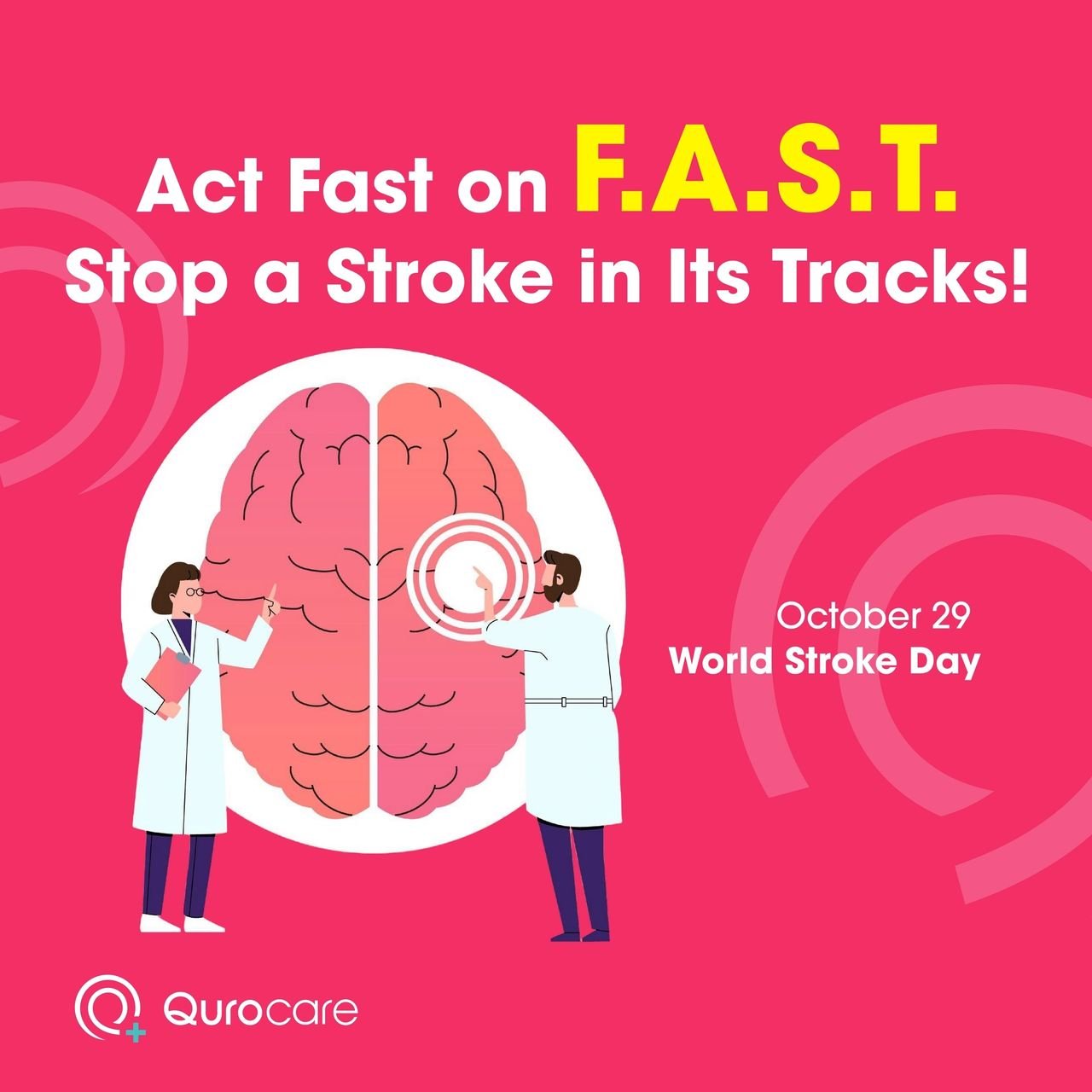
Act FAST: Don’t Let Stroke Steal a Life
"I never thought I'd be sharing my story like this. Just a few months ago, I was a healthy, active individual. Then, suddenly, everything changed. A massive stroke took my life by storm. I was paralyzed, unable to speak, and faced an uncertain future.
Today, I'm walking again, talking, and slowly but surely, getting back to my old self. While the road to full recovery is still long, I'm hopeful and determined. I'm living proof that with the right care, support, and a positive mindset, even the most challenging health battles can be overcome."
— A stroke survivor
From The Medical Team
It was almost 2 a.m. on February 3, 2024, when a patient was rushed through the Emergency doors, apparently unconscious on the trolley and accompanied by anxious family members.
Family members expressed concerns as we learned that the patient had been skipping his antihypertensive medication for several days. He had been experiencing weakness on the left side of his body, along with slurred speech, for the last 6-7 hours.
Upon examining the patient, we observed signs that strongly indicated a brain stroke: drooling, facial drooping, and left-sided weakness. His history of systemic hypertension, combined with irregular medication, further supported this conclusion.
The patient’s initial assessment revealed high blood pressure, normal blood glucose levels, a stable ECG, and stable vital signs. After a clinical examination and necessary investigations, including an NCCT-Brain scan, we confirmed an acute ischemic stroke.
Appropriate medications and primary management were initiated immediately, and the patient began to improve the very next day. Physiotherapy was started on the fourth day, and by the fifth day, he was discharged with a controlled blood pressure, medication plan, and follow-up instructions.
Six months later, with diligent physiotherapy and adherence to medication, the patient has regained his ability to walk and smiles with hope on his journey to recovery.
What is a Stroke?
A stroke occurs when a part of the brain is damaged due to disrupted blood flow. Strokes can happen when:
- An artery supplying blood to the brain becomes blocked, depriving parts of the brain of oxygen and nutrients.
- An artery ruptures, causing bleeding into or around the brain.
How Do Strokes Affect People?
The effects of a stroke depend on various factors, such as:
- The type of stroke
- The affected part and extent of the brain damage
- How quickly the stroke receives treatment Stroke can impair essential functions, causing paralysis, loss of speech, and other disabilities. It remains a leading cause of death and disability worldwide.
What are the Symptoms of a Stroke?
Stroke symptoms often start suddenly. You can remember the symptoms by using the acronym "BE FAST":
-
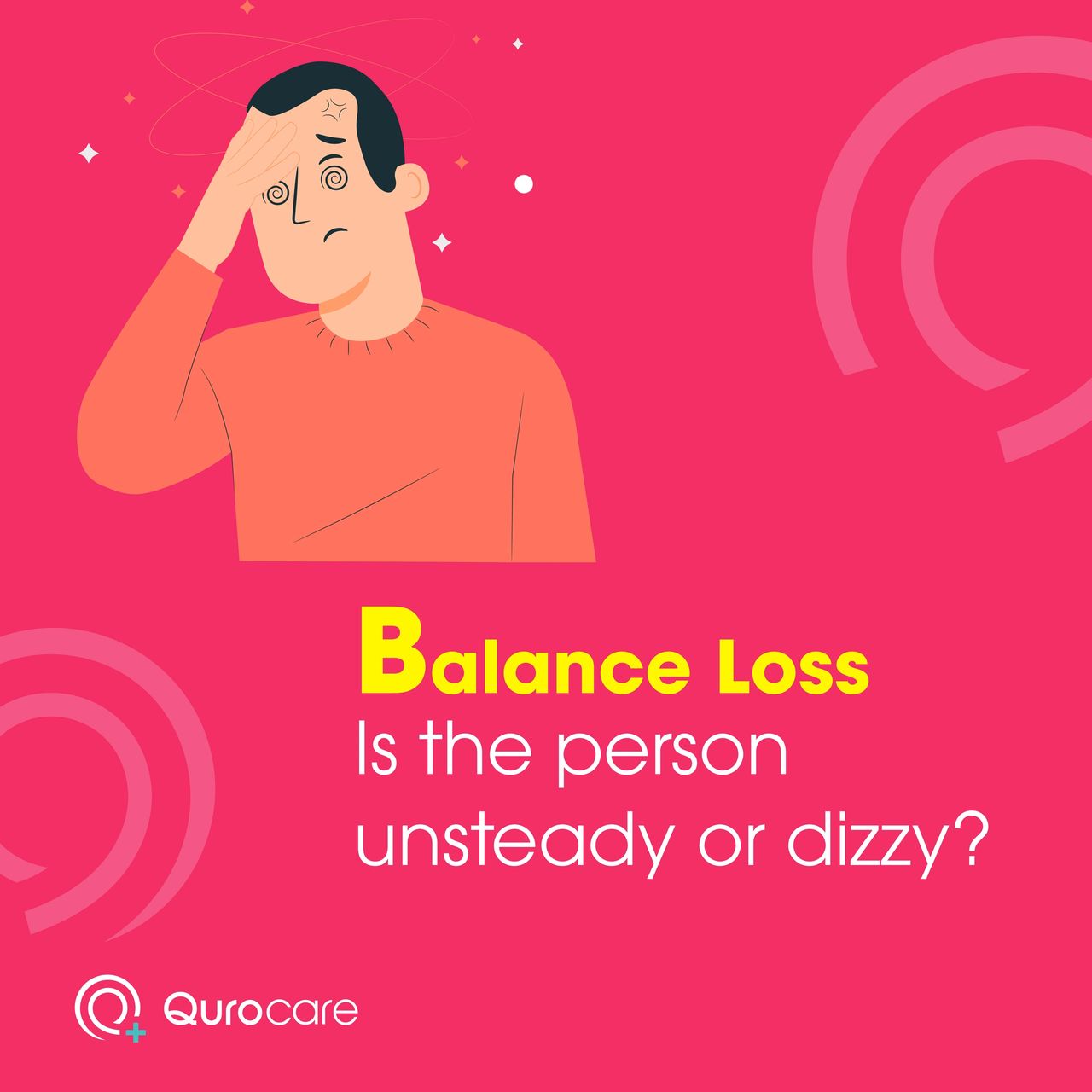
Balance Loss– Difficulty standing or walking
-
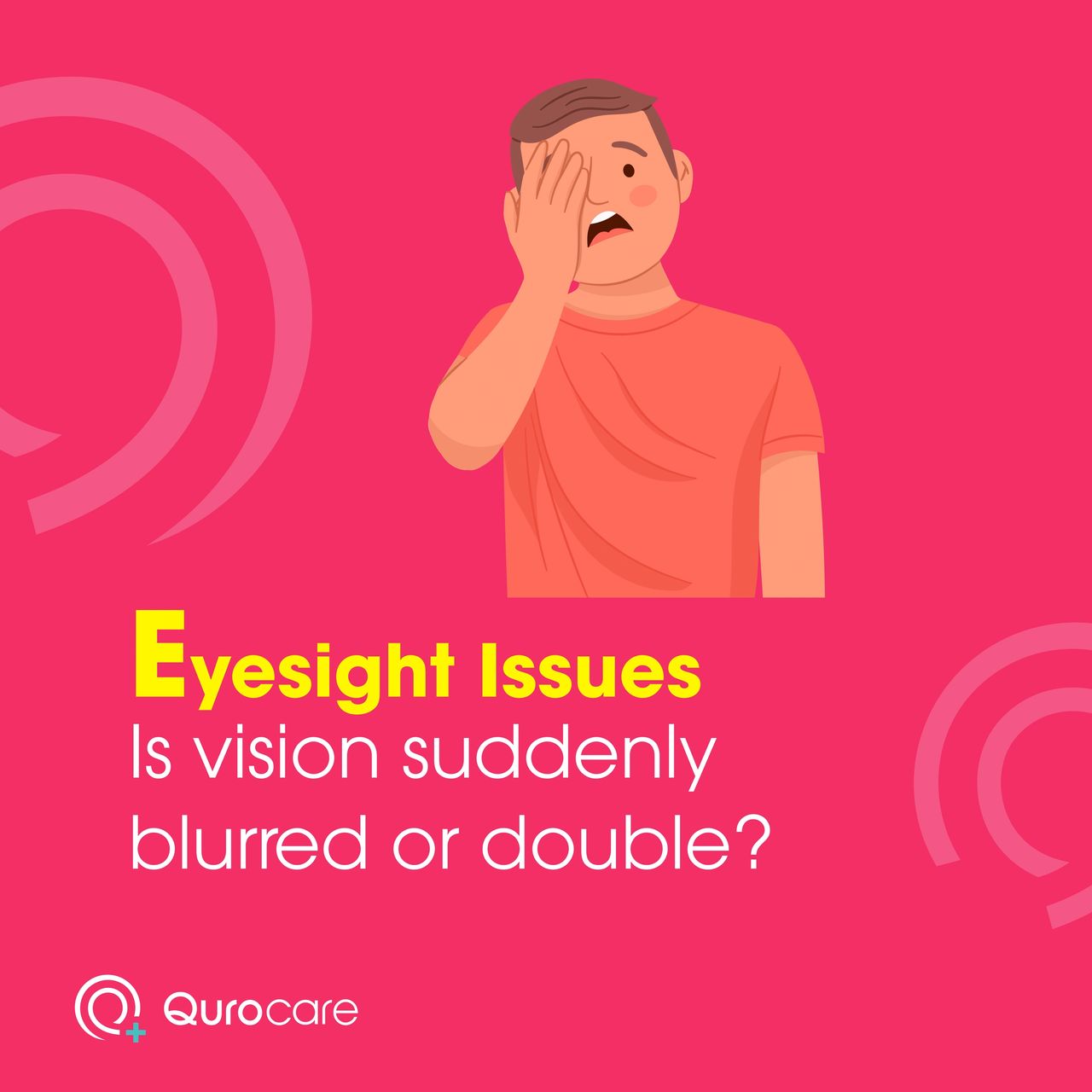
Eyesight Issues – Vision trouble
-
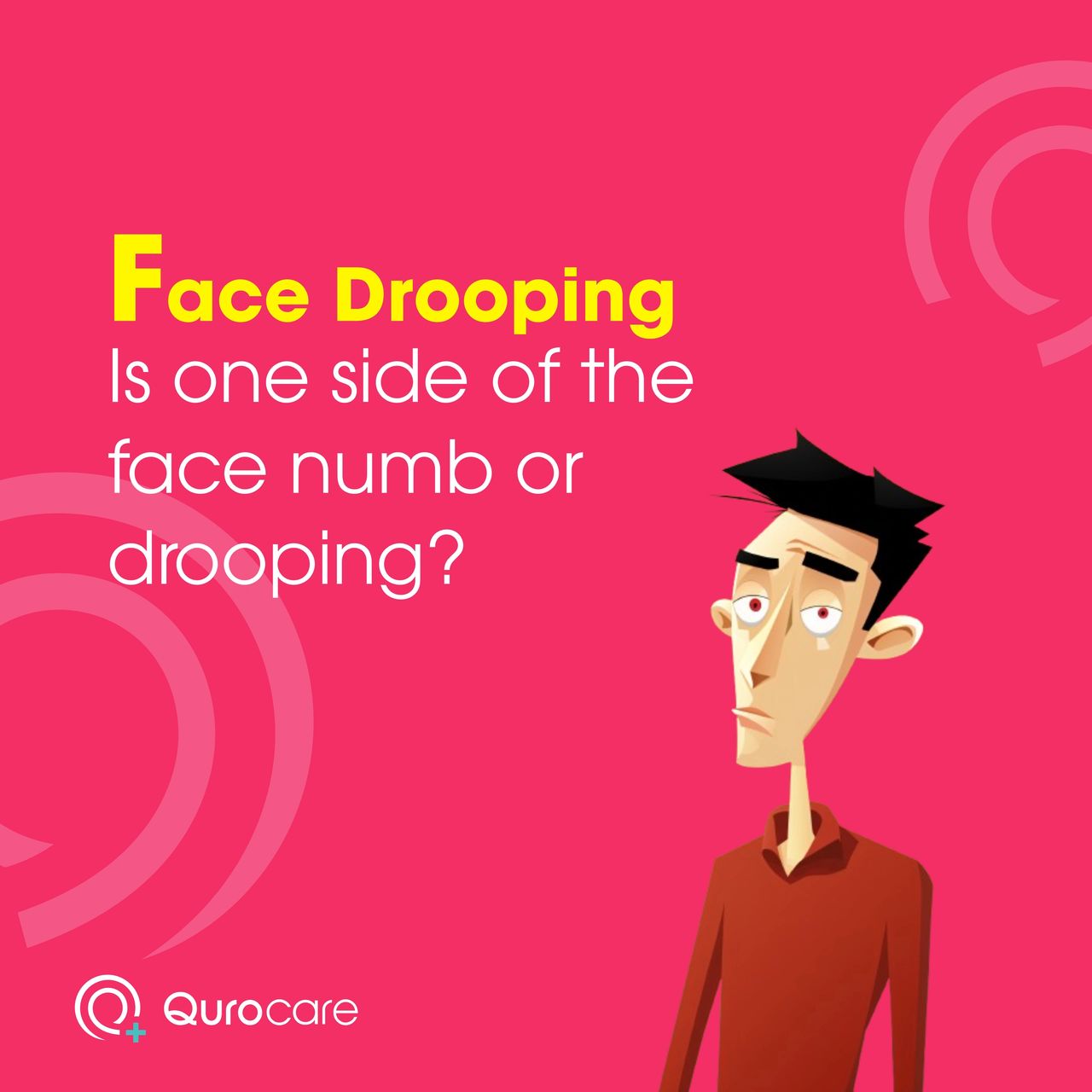
Face Drooping– Facial drooping or asymmetry
-
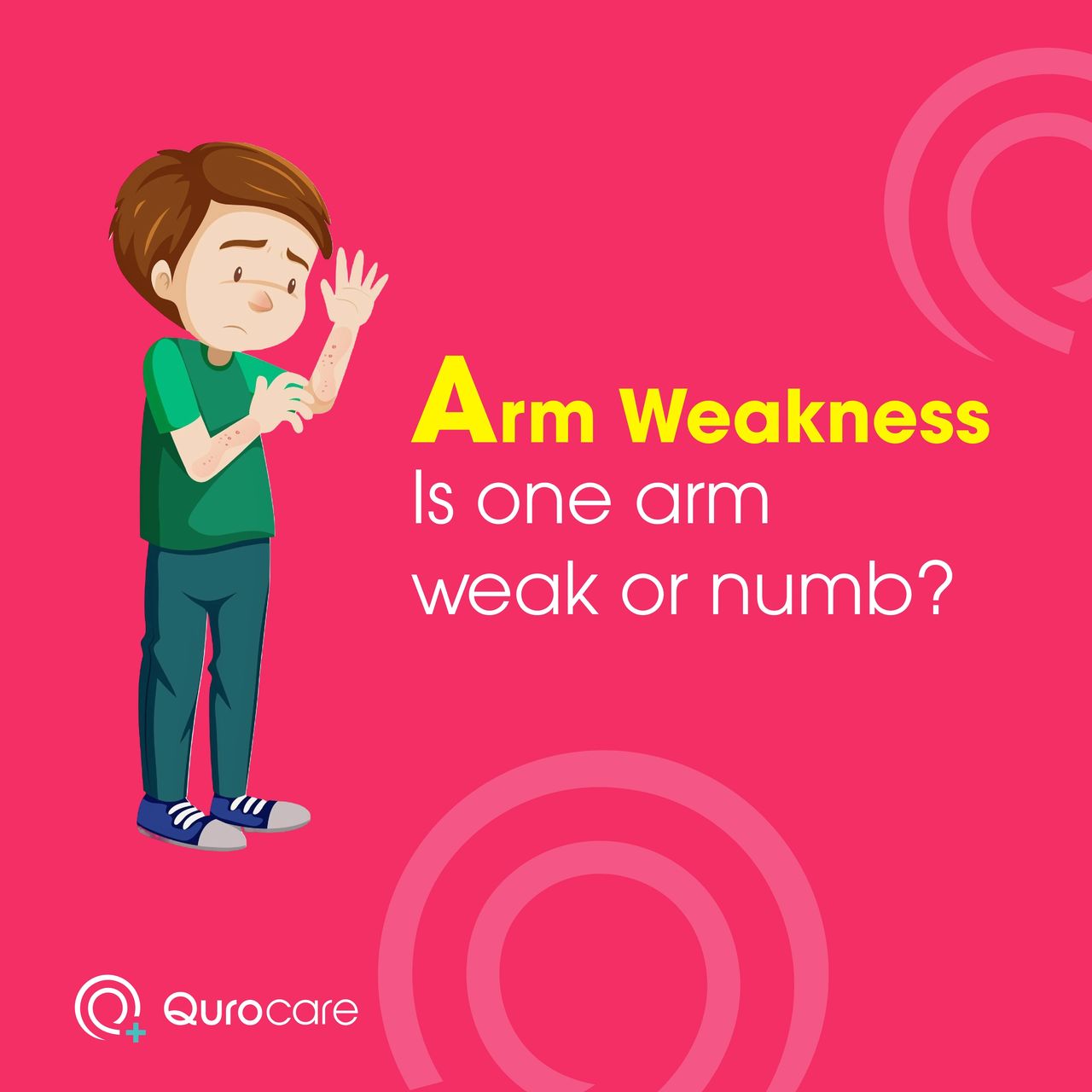
Arm Weakness– Weakness or numbness in one or both arms
-
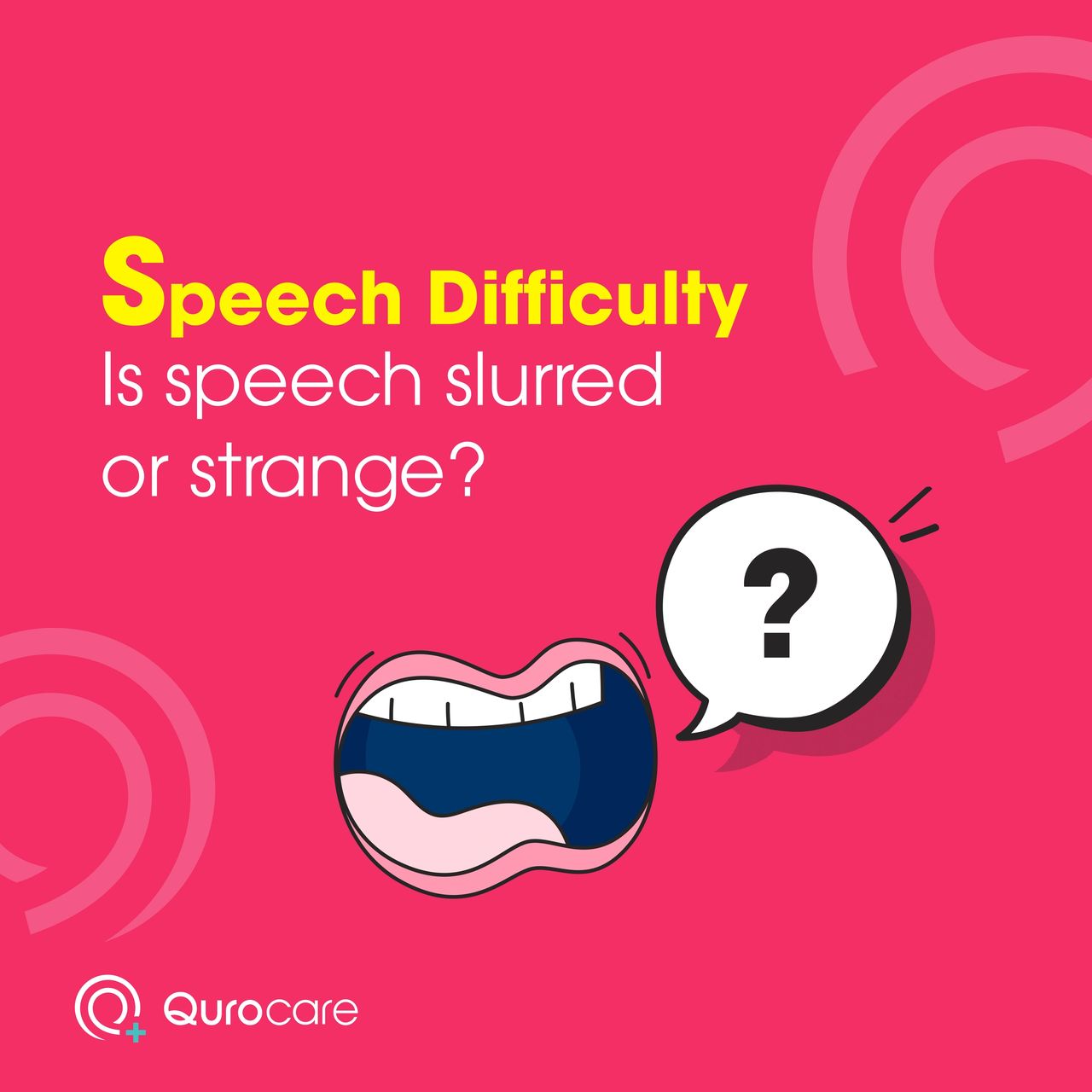
Speech Difficulty– Difficulty speaking or slurred speech
-
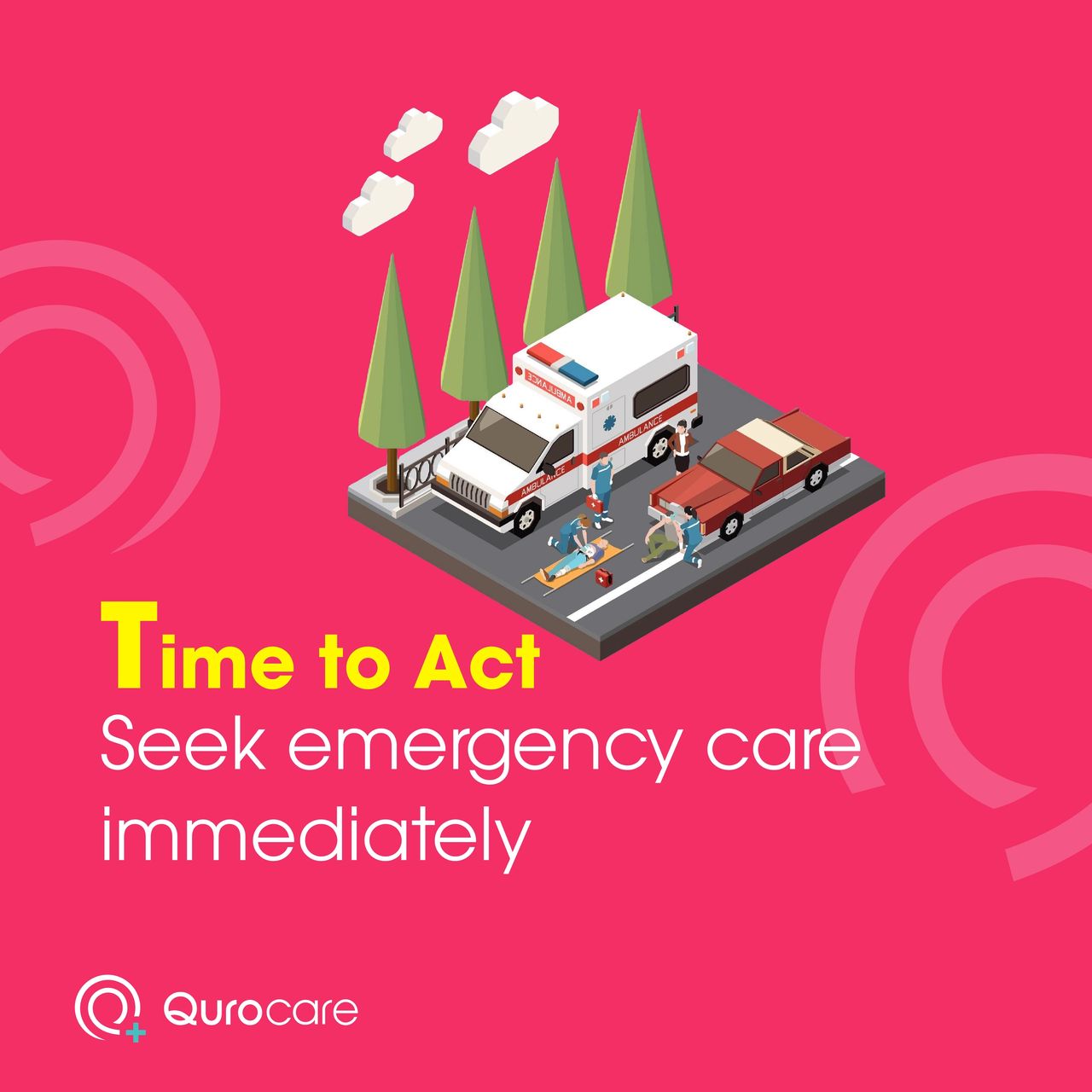
Time to Act– If you notice any of these signs, call for emergency help immediately. Quick action is crucial.
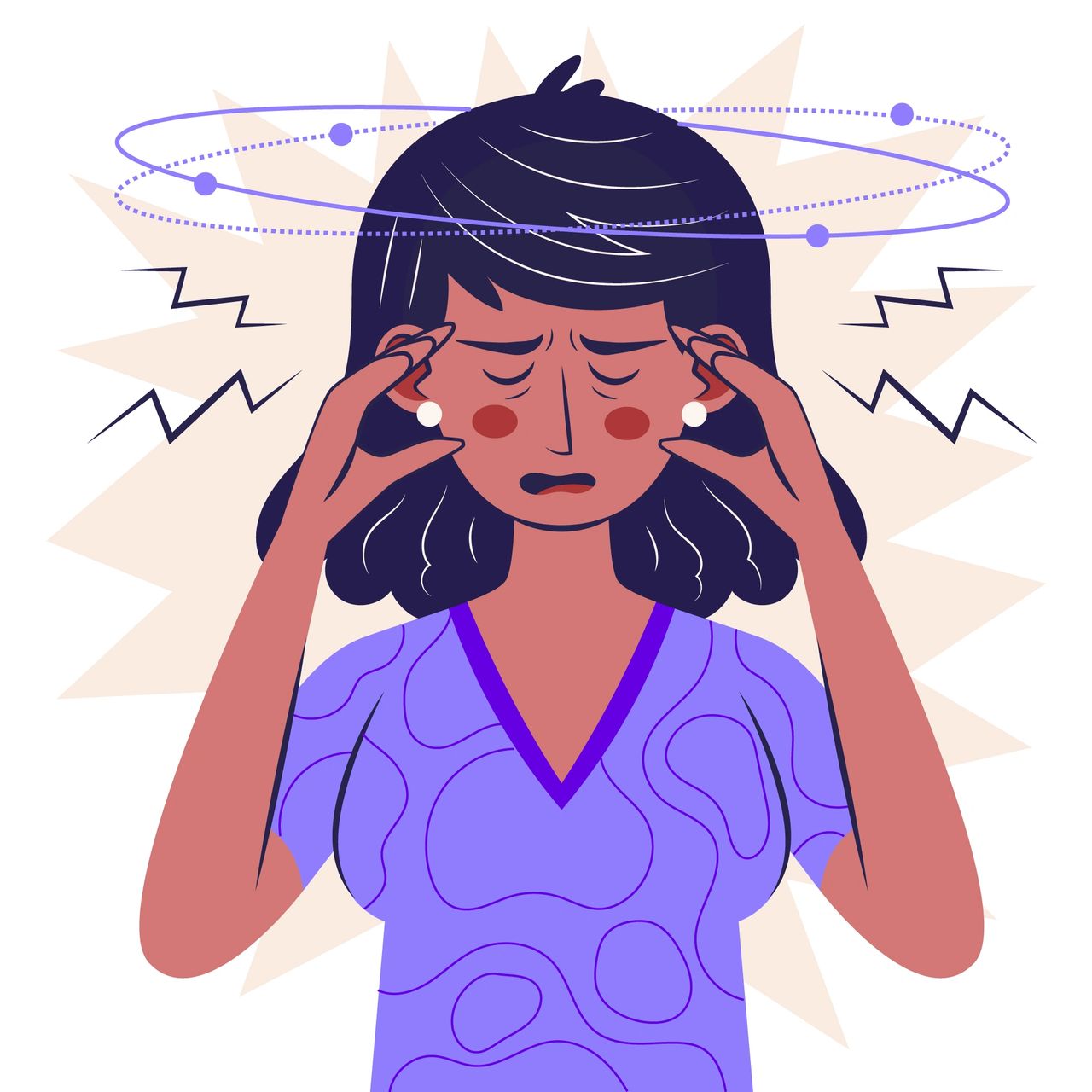
Additionally, a stroke caused by bleeding in the brain, known as a hemorrhagic stroke, may result in a sudden and severe headache that is often described as the worst headache a person has ever experienced. This intense headache can be accompanied by other symptoms, such as nausea, vomiting, and altered consciousness, highlighting the importance of seeking immediate medical attention.
How are Strokes Treated?
The type of treatment depends on the type of stroke. After a stroke is confirmed through imaging tests, like a CT or MRI, doctors can proceed with the appropriate intervention:
- For strokes caused by clogged arteries: Treatments to reopen the artery may help recovery, and medications like blood thinners can prevent future strokes.
- For strokes caused by bleeding: Treatments focus on controlling bleeding, reducing damage, and possibly surgical intervention to prevent further bleeding.
Can Strokes be Prevented?
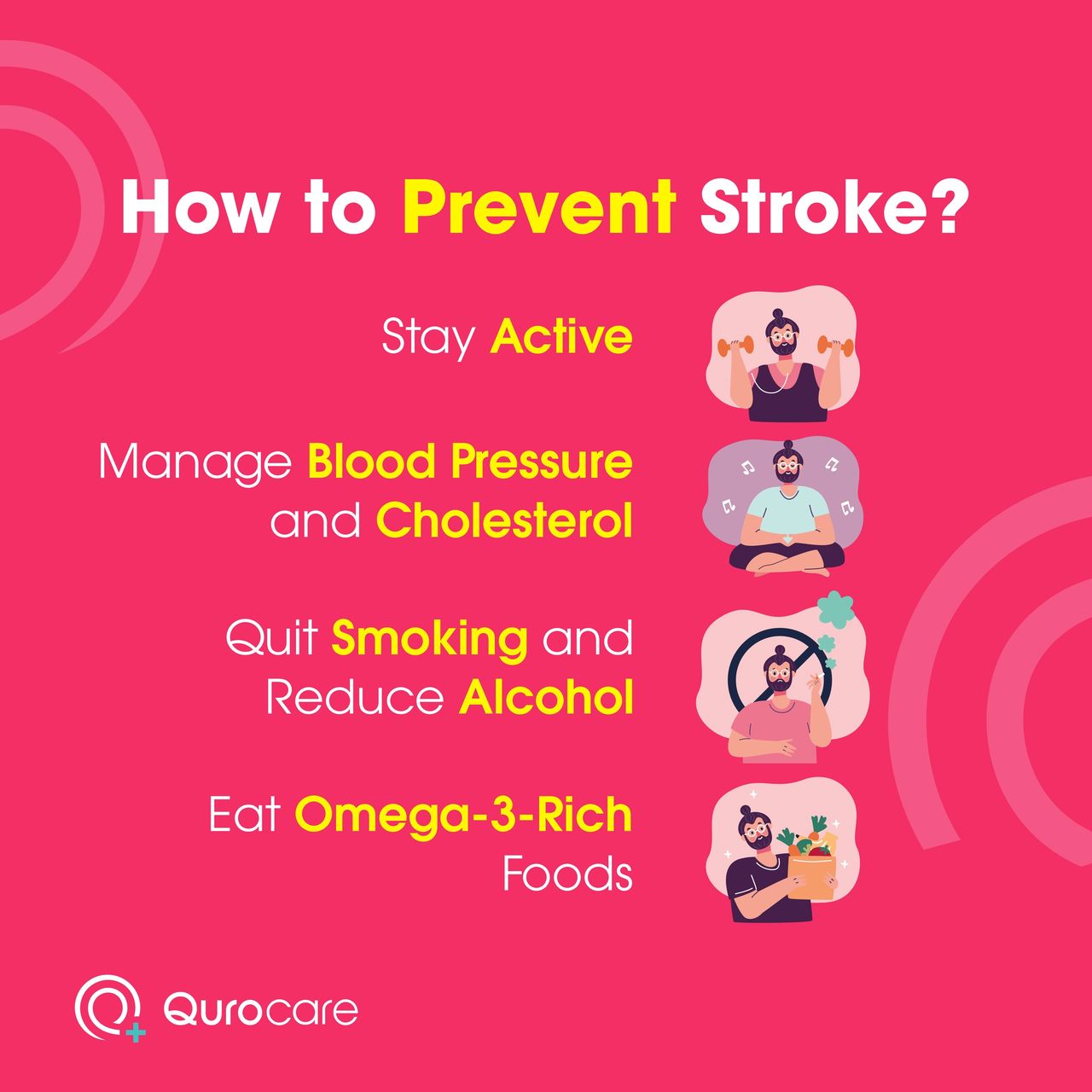
While not all strokes are preventable, you can significantly reduce your risk by:
- Taking prescribed medications: These are crucial for managing blood pressure, cholesterol, and preventing blood clots.
- Making lifestyle changes: Quit smoking, exercise regularly, maintain a healthy weight, eat a balanced diet, reduce sodium intake, and avoid excessive alcohol.
- Regular monitoring and logging of vitals: This includes keeping track of blood pressure, cholesterol levels, and other relevant health indicators, helping to catch any irregularities early.
- Considering surgical options if needed: For some individuals, procedures to clear clogged arteries may be available as a preventive measure.
What Happens After a Stroke?
Recovery varies widely; some may fully recover, while others may experience long-term challenges with speech, mobility, or self-care. Specialists, such as physical and occupational therapists, can support these individuals in regaining function. Stroke survivors are also at higher risk for additional health issues, including infections, blood clots, and heart problems.
What is a "TIA"?
A TIA, or "transient ischemic attack," resembles a stroke but doesn't cause permanent brain damage. TIAs occur when a clot temporarily blocks an artery but then resolves on its own. This can happen if a blood clot forms and then moves away or dissolves. While TIAs are less severe, they are a strong warning of future stroke risk and should never be ignored.
Conclusion
Strokes are life-altering but, with prompt treatment, not necessarily life-defining. Recognizing symptoms early, seeking immediate medical help, and maintaining healthy lifestyle choices can greatly impact recovery and prevent future strokes. For those who have experienced a stroke, rehabilitation and support networks can provide a pathway to regain independence and hope. Remember, every action taken towards stroke awareness and prevention strengthens our health and saves lives. Don't let stroke steal your life or that of someone you love—be aware, act fast, and prioritize prevention.
Author -
Dr Noushi Vidhyadharan V
General Physician
***Medical Disclaimer:***This blog is for informational purposes only and should not be considered medical advice. Always consult a healthcare professional for diagnosis and treatment of any medical condition, including stroke. If you suspect someone is experiencing a stroke, seek emergency medical assistance immediately. Qurocare is not liable for any actions taken based on the information provided in this article.
Designed by Freepik