




Children’s Day: Little Feet, Big Steps Towards a Healthier Future
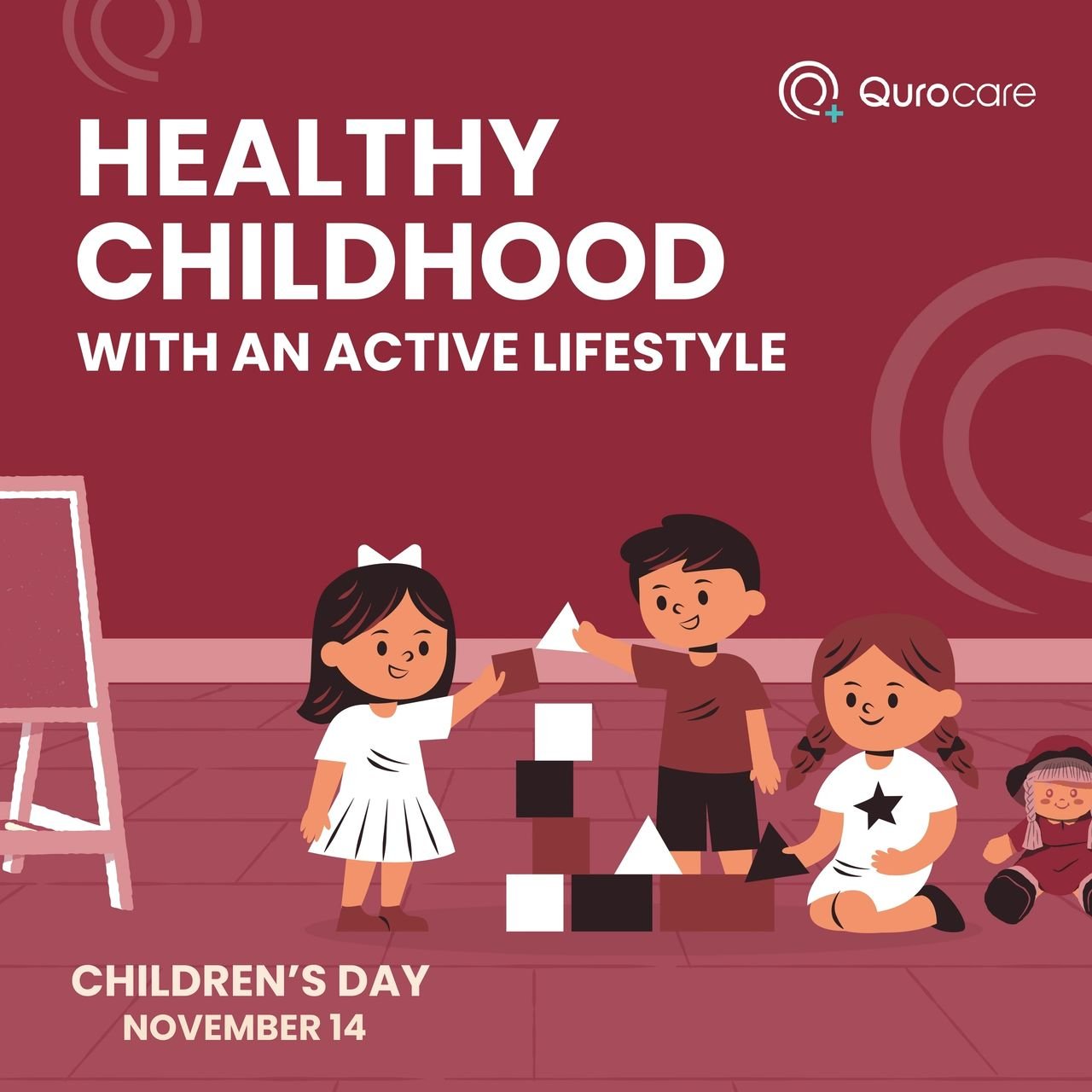
Every November 14th, we come together to honour the boundless energy, innocence, and potential of children on Children’s Day. It’s more than just a celebration; it's a call to action to nurture young lives, ensuring they grow into healthy, active, and empowered individuals who can achieve their dreams. Childhood is the foundation of life, and how we cultivate this phase determines not just a child's future but the future of our society. As we celebrate, we must also reflect on our responsibility to provide the tools and support children need to flourish in an ever-changing world. By focusing on holistic development, we create not just healthier children, but more resilient and compassionate adults. Investing in our children is investing in the future of humanity.
The Spirit of Children’s Day: Active Childhood
An active lifestyle is not just about fun; it’s essential for a child’s overall growth. Encouraging playful activities lays the groundwork for physical fitness and also shapes emotional stability, intellectual development, and social connections. When children engage in activities like running, jumping, or dancing, they are not only expending energy but also boosting their brain function, improving motor skills, and strengthening their immune systems. These activities also promote a sense of accomplishment and pride, helping children build confidence in their abilities. Physical play has a ripple effect on their mental and emotional health, laying the foundation for positive habits in adulthood. By nurturing an active childhood, we are helping shape well-rounded, balanced individuals who are equipped to face life's challenges.
Run and Play, Seize the Day!
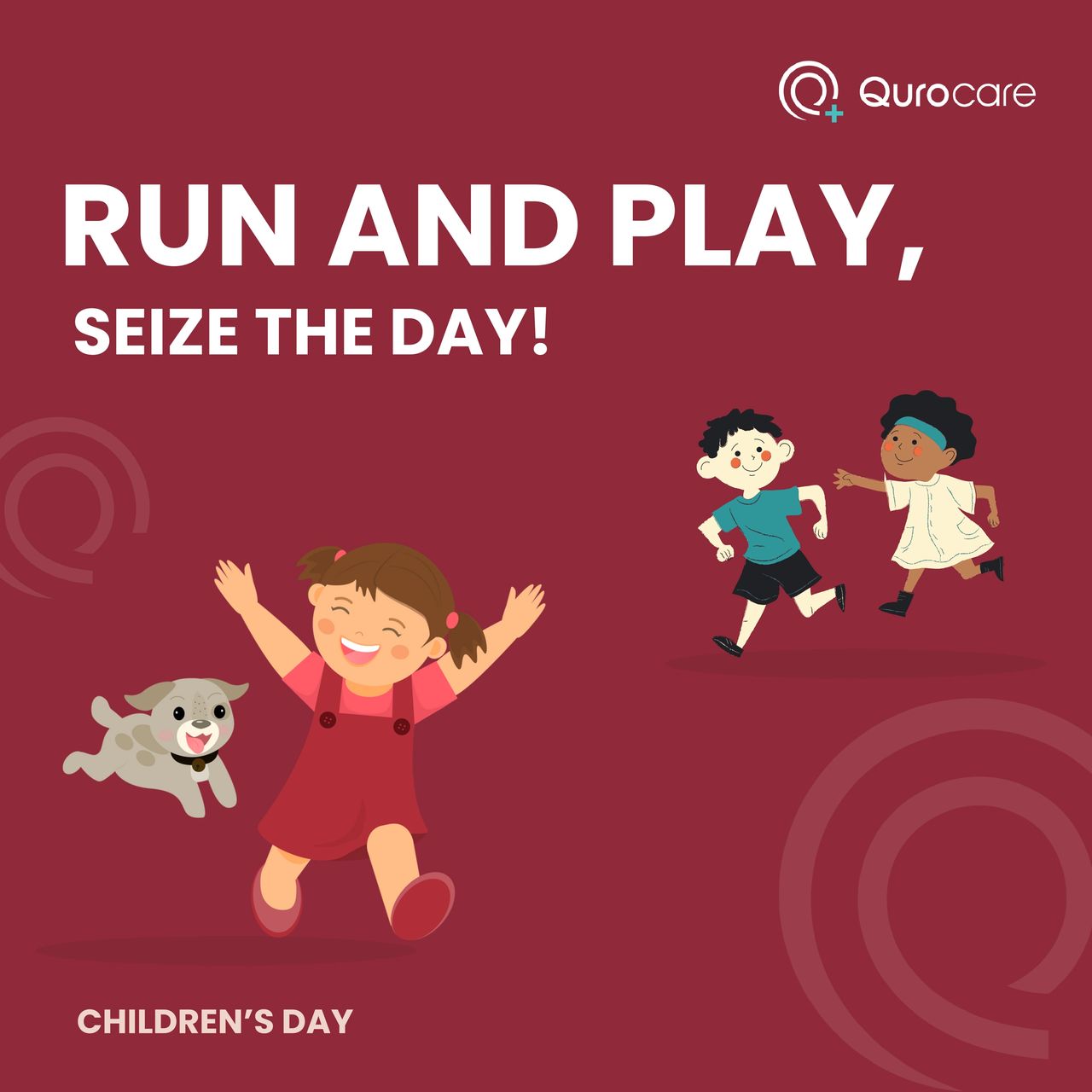
Running and playing outdoors activate heart functions, increase stamina, and boost the production of endorphins—natural mood enhancers. It’s also a great way for kids to bond with peers, explore their environment, and learn teamwork. This Children’s Day, let’s encourage them to enjoy the freedom of movement and explore the world around them. Outdoor play also enhances their creativity as they engage in imaginative activities with friends. Through these interactions, children learn problem-solving skills and social responsibility. Encouraging outdoor play fosters a connection to nature and a healthier relationship with the environment.
Hop and Skip, Health on a Flip!

Skipping and hopping may seem simple, but they are valuable exercises. These activities improve balance, coordination, and flexibility while also promoting strong bones. They also stimulate growth by aligning muscles and bones, which is crucial during childhood. Parents and educators should encourage these exercises to help children build a strong, active foundation. Moreover, these activities develop discipline and focus, as children learn to master movements and achieve physical milestones. It’s through these seemingly simple exercises that children build the strength and confidence to take on more complex challenges in life. By making these activities fun and engaging, we instil a love for fitness that can last a lifetime.
Dance and Twirl, Energize Your World!

Dancing isn’t just about enjoyment; it’s an excellent full-body workout. When kids dance, they build strength, agility, and endurance, while improving their rhythm and creativity. Beyond physical benefits, dancing helps reduce stress and boosts self-esteem. Celebrate Children’s Day with music and dance to leave children energized, confident, and ready to take on challenges. Dancing also improves cognitive function, helping children with memory retention and focus in other areas of life. It encourages self-expression, allowing children to explore their emotions safely and joyfully. With music and movement, children learn to trust their bodies and embrace their creativity.
The Importance of Play
Modern lifestyles have reduced opportunities for free play, with concerning effects on children's health and development. Increased screen time and reduced physical activity are linked to obesity, anxiety, and other health issues. Reintroducing play into daily routines is not just beneficial but necessary. Physical play helps regulate sleep patterns, ensuring that children get the rest they need for optimal growth and development. A lack of play can also lead to feelings of frustration and boredom, which may hinder emotional development. By encouraging more time spent in active play, we provide children with the foundation they need for emotional, physical, and mental well-being.
- Promotes Physical Health: Running, jumping, and dancing improve heart health, build muscle strength, and regulate weight, establishing a foundation for lifelong fitness. Incorporating a variety of activities also helps prevent overuse injuries by engaging different muscle groups. These activities create a well-rounded fitness routine that contributes to stronger bones, improved flexibility, and a healthier immune system.
- Boosts Mental Well-Being: Physical activity triggers the release of hormones that help alleviate stress and anxiety, fostering emotional resilience. Active children tend to be happier, with playtime offering a break from structured routines. Movement also improves sleep quality, leading to better concentration and mood regulation during the day. Engaging in physical activity gives children a healthy outlet to express emotions, reducing the risk of behavioural issues.
- Enhances Learning Abilities: Movement stimulates neural pathways, improving memory, attention, and problem-solving skills. Active children perform better academically. Studies show that children who engage in regular physical activity tend to have higher cognitive function and better focus in school. Playful activities also help children with ADHD improve attention and impulse control, enhancing their learning experience.
- Encourages Social Interaction: Group activities teach vital life skills like communication, collaboration, and conflict resolution. Play helps children form relationships and build connections. By learning to share, cooperate, and negotiate during play, children develop empathy and emotional intelligence. These early social experiences set the foundation for strong friendships and healthy interpersonal relationships throughout their lives.
The Role of Parenting
Parents are a child’s first role models and play a crucial role in shaping their habits, choices, and health outlook. Creating a supportive environment that prioritizes physical and emotional well-being is essential for good parenting. Here’s how parents can make a difference:
- Lead by Example: Children learn by observing. When parents embrace an active lifestyle—whether through morning jogs, yoga, or weekend hikes—they inspire children to value fitness and health. Parents should also demonstrate healthy eating habits by making nutritious choices at home. By involving children in meal preparation, parents can teach them about nutrition while fostering a positive attitude towards food. Leading by example empowers children to develop habits that will benefit them for a lifetime.
- Foster a Love for Play: Encourage outdoor play over screen time. Provide opportunities for children to engage in unstructured activities that develop motor skills and creativity. Make playtime a daily routine, even if it’s just a walk after dinner or a game of catch in the backyard. Children thrive when they have time to unwind, explore, and let their imagination run wild. Outdoor play doesn’t have to be complicated; it can be as simple as kicking a ball around or exploring nature trails.
- Create a Balanced Routine: Balance structured activities like sports with free play to let children explore their interests and unwind. This balance helps children avoid burnout and gives them the flexibility to grow at their own pace. A well-rounded routine nurtures creativity, emotional expression, and a sense of independence. Allowing children to have input in their routines fosters a sense of ownership over their health and well-being.
- Support Emotional Growth: Actively engage in your child’s activities, offering encouragement and celebrating their progress. By acknowledging their efforts, you reinforce the value of persistence and resilience. Children need emotional support to feel confident and loved, which helps them navigate challenges. Parents who provide a safe emotional environment empower their children to take risks and learn from their mistakes. Parents shape a child’s journey toward a healthier life, and a supportive home environment can help foster an active lifestyle.
Climbing and Sliding Towards a Healthier Tomorrow
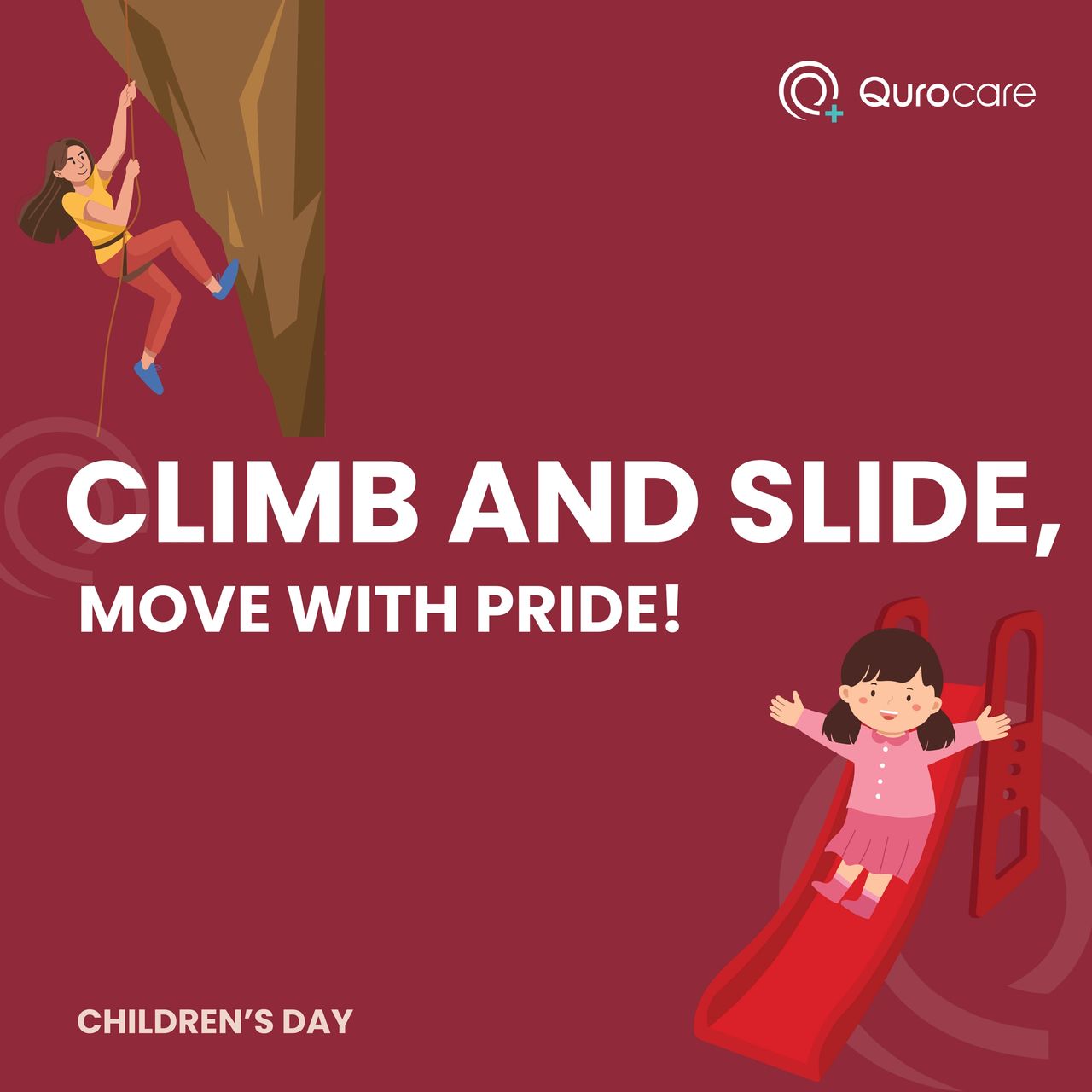
Climbing and sliding are not just playground activities; they help develop critical skills. Climbing builds strength, balance, and problem-solving abilities while sliding encourages risk-taking in a safe environment. These activities foster resilience and pride in achievements, shaping children into strong, capable individuals. Such experiences also help children develop a sense of independence as they challenge themselves and learn new skills. Through these activities, children learn that physical activity can be both fun and rewarding. Encouraging children to climb, slide, and explore nurtures their curiosity and physical confidence.
The Role of Health Education in Schools
Schools play a key role in shaping lifelong habits. Integrating health education into the curriculum is a powerful way to promote the overall well-being of students. Health education equips children with the knowledge to make informed choices about their lifestyle, diet, and mental health.
- Building Awareness: Health education teaches children about the importance of nutrition, exercise, and hygiene for their growth and long-term well-being. Interactive lessons allow students to actively participate and learn by doing, making the concepts more memorable. Through hands-on activities like cooking healthy meals or engaging in fitness challenges, children can apply what they learn to real-life situations.
- Preventing Health Issues: Early education about physical activity, healthy eating, and avoiding harmful habits helps prevent diseases like obesity, diabetes, and heart conditions. The foundation laid in childhood can reduce the risk of developing chronic health issues later in life. Schools can also provide opportunities for families to participate in health programs, reinforcing these positive habits at home.
- Fostering Mental Health: Teaching emotional intelligence, stress management, and mindfulness helps children address mental health challenges. Schools must create safe spaces where students can openly discuss mental health, destigmatizing these important conversations. By integrating mental health education into the curriculum, children are equipped with tools to manage their emotions and build resilience.
- Encouraging Physical Activity: Schools can instil a love for movement through physical education classes that emphasize regular exercise and teamwork. By incorporating different types of sports and physical activities, schools can appeal to a wide range of interests and talents. A well-rounded PE curriculum helps students find an activity they enjoy, making physical fitness an integral part of their lifestyle.
- Shaping Responsible Citizens: Teaching self-care, environmental health, and social responsibility builds a foundation for healthier communities. Through educational campaigns and projects, students learn to respect their bodies, the environment, and the people around them. Schools that promote social responsibility teach children the importance of giving back and contributing to the collective well-being of society.
The Role of Technology in Child Healthcare and Qualitative Lifestyle
Technology has become an integral part of modern healthcare, including in the realm of child health. From telemedicine consultations to wearable devices that monitor physical activity and vitals, technological advancements offer innovative solutions for tracking and enhancing children’s health. Digital platforms now provide easy access to health resources, enabling parents to make informed decisions about nutrition, exercise, and mental well-being. Moreover, mobile health applications can help children learn about healthy habits in an interactive and engaging manner, fostering a deeper understanding of their well-being. Telemedicine has made it possible for children in remote areas to receive expert medical care, bridging the gap between specialists and underserved populations. Additionally, gamified fitness apps encourage children to stay active by transforming exercise into a fun and rewarding experience, promoting a sustainable and active lifestyle. With these tools, parents can also monitor their child's progress, ensure they stay on track with healthy routines, and address any concerns early. However, while technology offers numerous benefits, it’s crucial to maintain a balance, ensuring that digital engagement complements, rather than replaces, the importance of physical play and social interaction for a healthy, well-rounded lifestyle.
Conclusion: A Collective Responsibility
Children’s Day celebrates the potential of every child. But it also reminds us of our collective responsibility to equip them with the tools and opportunities they need to thrive. A healthy childhood, filled with active play, positive reinforcement, and loving guidance, forms the foundation for a lifetime of success. As a community, we must come together to ensure that every child has access to these opportunities, regardless of background or circumstance. Children are the future, and by investing in their health and well-being today, we ensure a stronger, brighter tomorrow for all. Let’s take action now to build a healthier, happier future for the next generation.
Let’s ensure that every child has the opportunity to Run and Play, Seize the Day, and take Big Steps Towards a Healthier Future.
Designed by Freepik