




HMPV Outbreak in China Sparks Global Concern
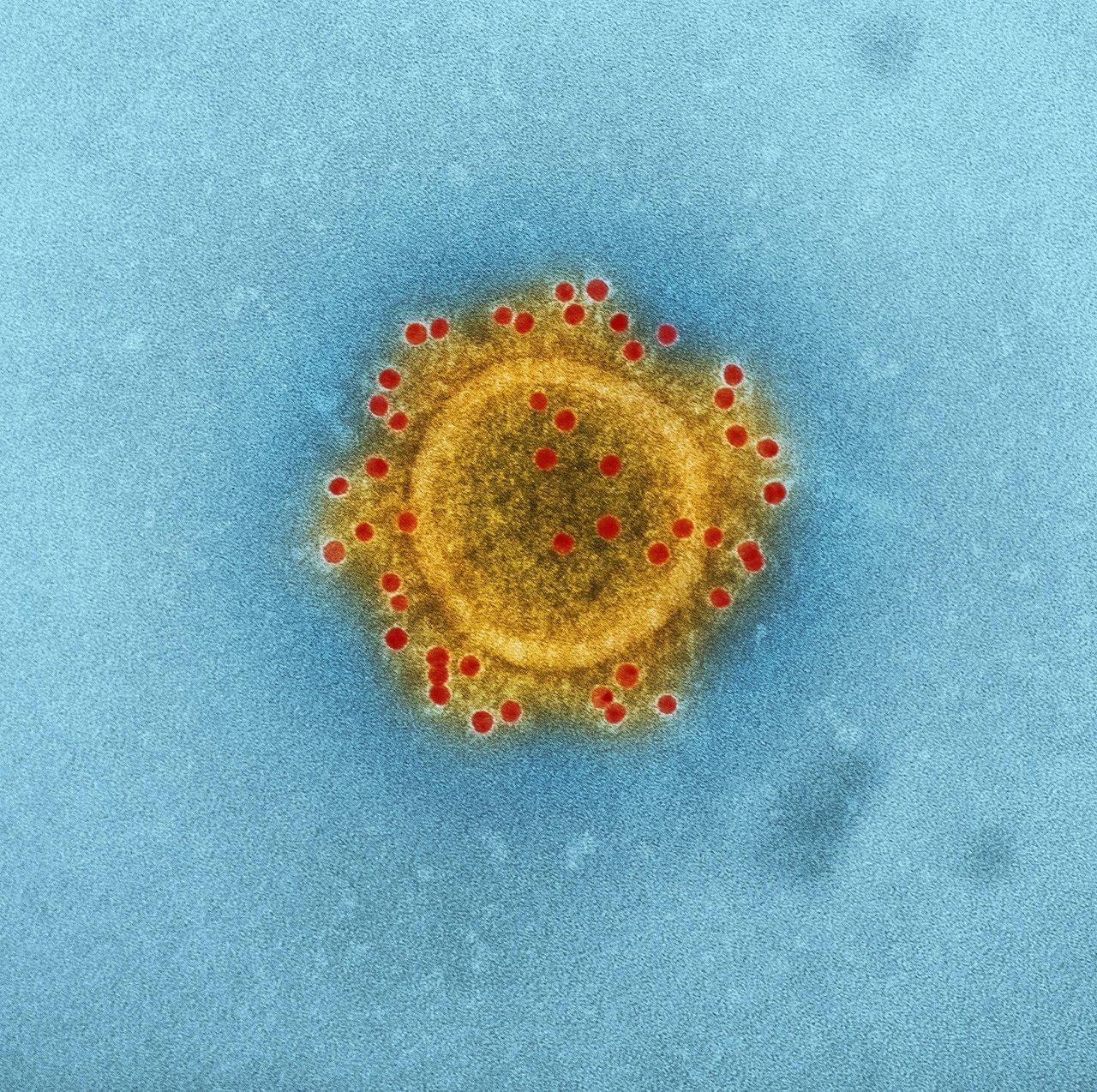
Representative image
On the fifth anniversary of the COVID-19 outbreak, another respiratory virus, Human Metapneumovirus (HMPV), has emerged in China, evoking concerns and memories of the global disruptions caused by the pandemic. This outbreak is a stark reminder of how fragile our global health systems remain in the face of respiratory illnesses.
What COVID-19 Taught Us
The COVID-19 pandemic highlighted the need for early disease detection, transparent communication, and rapid response. It also exposed vulnerabilities in healthcare systems, including overwhelmed hospitals, misinformation, and the mental health impact of lockdowns.
Over these five years, we’ve made progress, such as creating newer and better vaccines and improving systems to track diseases. Still, the damage from COVID-19—both physical and mental—makes this new HMPV outbreak in China feel especially worrying.
What’s Happening in China?
In December 2024, health officials in China raised alarms about a significant increase in cases of Human Metapneumovirus (HMPV). Reports from credible sources, including public health agencies and hospitals, indicate that the virus is spreading widely and placing pressure on healthcare facilities, especially paediatric departments. Many of the patients are children under 14, with the hardest-hit areas being in the northern provinces of China. Social media platforms have been flooded with videos and reports of overcrowded hospitals, evoking memories of the early days of the COVID-19 pandemic. Some of these reports are unverified and will contribute to growing public concern and that is why the public should only trust information coming from verified sources and not trust social media blindly. The Chinese government has emphasized that the rise in HMPV cases is in line with seasonal trends. However, the outbreak is putting additional pressure on healthcare systems already dealing with seasonal respiratory illnesses.
What Is HMPV?
Human Metapneumovirus (HMPV) was first discovered in 2001 and is part of the same virus family as RSV (Respiratory Syncytial Virus). It usually causes mild symptoms similar to the common cold, such as cough, runny nose, and fever. However, it can lead to more serious respiratory issues in vulnerable groups, including young children, elderly people, and those with weakened immune systems.
HMPV spreads through respiratory droplets when an infected person coughs or sneezes, as well as through contact with contaminated surfaces. While most people recover without complications, severe cases may require hospitalization, especially in young children or individuals with existing health conditions.
Unlike COVID-19 or the flu, there is currently no vaccine or specific antiviral treatment for HMPV. Doctors primarily focus on managing symptoms, such as using antipyretics to control fever, staying hydrated, and providing oxygen in severe cases. This lack of targeted treatment adds to the concerns surrounding the outbreak, particularly given its timing during a busy respiratory illness season.
A Wake-Up Call for the World
COVID-19 showed us how connected the world is. A virus in one country can quickly spread and disrupt lives everywhere. The rise of HMPV is a reminder that respiratory illnesses can still pose big risks.
Countries near China are paying close attention. Malaysia, for example, reported a 45% jump in HMPV cases this year, and India is closely monitoring the situation following the HMPV outbreak in China. The Union Health Ministry has stated that, so far, there are no signs of an unusual rise in respiratory illnesses within the country. To ensure readiness, the Indian Council of Medical Research (ICMR) is expanding its network of laboratories capable of testing for HMPV and is keeping a close watch on national trends. The global response to HMPV will serve as a litmus test for the lessons learned from COVID-19. Strengthening surveillance systems, improving healthcare infrastructure, and fostering international cooperation remain critical to mitigating future outbreaks.
How Can You Prevent HMPV Infection?
Preventing HMPV infection requires simple yet effective steps that can significantly reduce the risk of transmission. All of the steps given here are a reminder of the time we were fighting the COVID-19 pandemic. We should strictly bring back these habits to tackle these new outbreaks and stay healthy.
- Practice Good Hand Hygiene: Wash hands frequently with soap and water for at least 20 seconds or use an alcohol-based sanitiser
- Wear Masks in Crowded Areas: Protect yourself and others by wearing masks in poorly ventilated or crowded areas.
- Avoid Close Contact with Sick Individuals: Minimize exposure to people showing symptoms of respiratory illnesses.
- Disinfect Frequently Touched Surfaces: Regularly clean doorknobs, phones, and other surfaces with disinfectants.
- Cover Your Coughs and Sneezes: Use a tissue or your elbow to cover your mouth and nose, disposing of tissues immediately.
- Maintain a Healthy Lifestyle: Boost immunity through a balanced diet, exercise, hydration, and adequate sleep.
- Stay Informed and Seek Medical Attention: Follow updates from credible sources, and seek medical care promptly if severe symptoms occur. By incorporating these habits into your daily routine, you can reduce the chances of contracting HMPV and help protect your community from its spread.
Should We Be Worried?
As we have seen, HMPV is not a new virus and was first identified back in 2001. its symptoms can overlap with other respiratory infections, making it challenging to diagnose without specific tests. Infections typically occur seasonally, often peaking during colder months, and most people recover with supportive care. While there is no immediate cause for alarm, vigilance is key. HMPV reminds us of the ongoing risks posed by respiratory illnesses and the importance of maintaining public health readiness.
As the first cases of HMPV are being reported from Bangalore it is of utmost importance to remain calm and believe in facts instead of unconfirmed misinformation. The health ministry has assured that the virus has been in circulation for decades and there is no need for any kind of panic.
For now, there’s no specific antiviral treatment or vaccine for HMPV, so prevention remains key. Simple measures such as regular handwashing, avoiding close contact with sick individuals, and maintaining good respiratory hygiene can help reduce the spread. While the situation in China warrants monitoring, HMPV is not typically associated with large-scale outbreaks or severe global threats like some other respiratory viruses. Awareness and preparedness are essential but as of now, there’s no need for panic.
**Article by Dr. **Adarsh Anil
Healthcare specialist
Qurocare
Photo Courtesy: Pexel