




Understanding Pneumonia: Prevention, Treatment, and Recovery
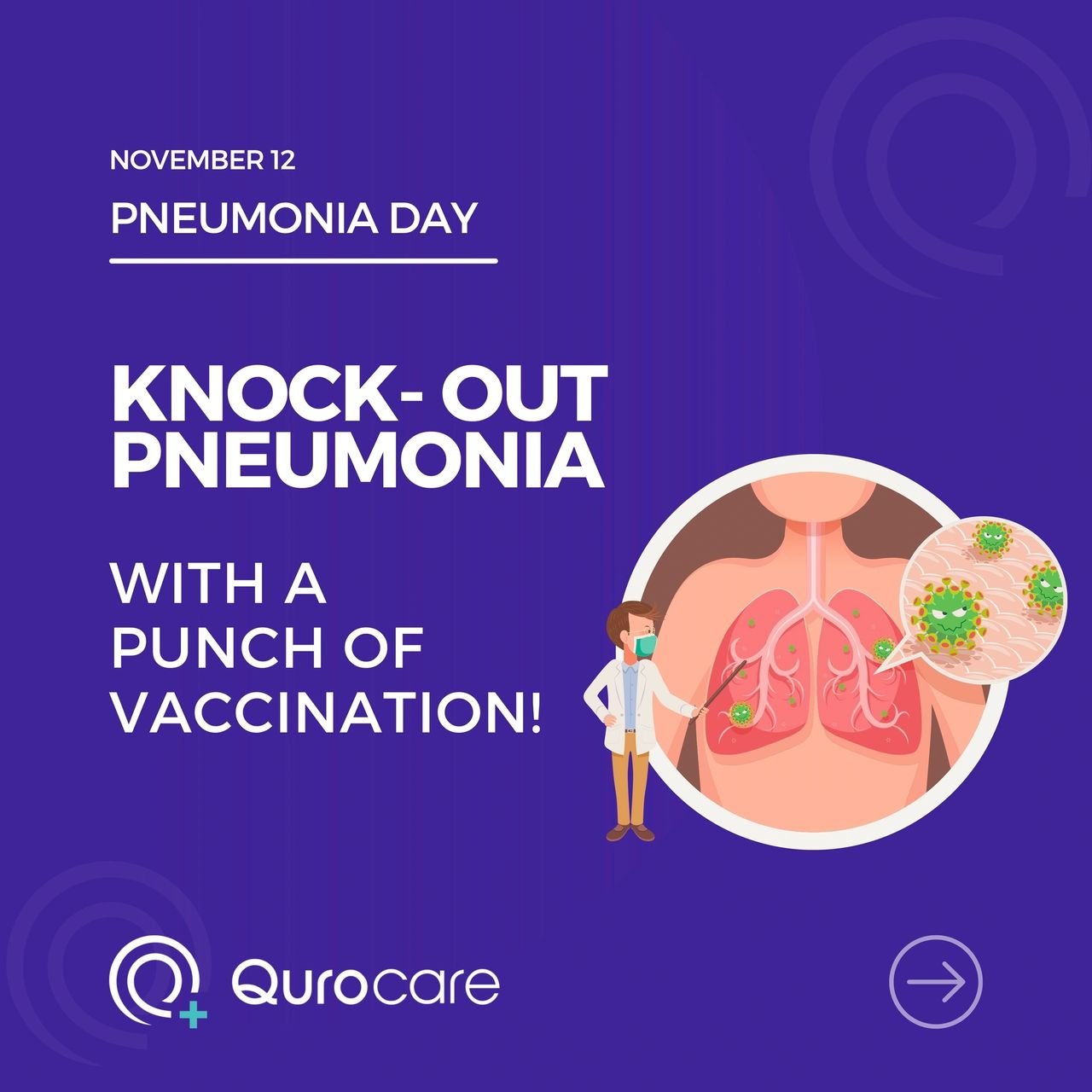
What is Pneumonia?
Pneumonia is a serious lung infection that causes the air sacs (alveoli) in one or both lungs to fill with fluid or pus, making it difficult to breathe. It’s often caused by bacteria, viruses, or fungi and can vary in severity—from mild to life-threatening.
Types of Pneumonia:
- Bacterial Pneumonia: Often caused by Streptococcus pneumoniae; responds to antibiotics.
- Viral Pneumonia: Commonly caused by viruses like the flu or COVID-19; treatment is mostly supportive, as antibiotics do not work on viruses.
- Fungal Pneumonia: More common in people with weakened immune systems.
How Does Pneumonia Affect People?
The impact of pneumonia varies based on:
- Cause: Whether it’s viral, bacterial, or fungal
- Severity: How much of the lung is affected
- Patient Health: Age, immune status, and presence of other health conditions Severe pneumonia can lead to complications like respiratory failure, especially in high-risk groups like young children, older adults, and those with chronic conditions. Even mild pneumonia can lead to fatigue and prolonged weakness if not managed effectively.
What Are the Symptoms of Pneumonia?
Pneumonia symptoms can develop suddenly or gradually, depending on the cause. Recognizing the early signs can lead to quicker diagnosis and treatment.
Common Symptoms:
- Persistent cough, often producing phlegm
- Fever with chills or shaking
- Shortness of breath or difficulty breathing
- Chest pain that worsens with deep breaths or coughing
- Fatigue and general malaise In older adults, symptoms may be more subtle, including confusion or a decrease in body temperature. If you or a loved one show signs of pneumonia, seek medical care immediately for assessment.
How is Pneumonia Treated?
Pneumonia treatment depends on the cause and severity. Prompt treatment can prevent complications and speed up recovery.
Common Treatments:
- Antibiotics for bacterial pneumonia: Typically effective if started early.
- Antiviral medications for specific viral cases of pneumonia: Used for viruses like the flu when needed.
- Supportive care for most types of pneumonia, including: Most patients recover within a few weeks, but severe cases might need hospitalization, especially if they have other health conditions.
Can Pneumonia Be Prevented?
While pneumonia cannot always be prevented, many cases are avoidable with vaccination and a few lifestyle changes.
Vaccines for Pneumonia Prevention:
- Pneumococcal Vaccines: PCV13 (Prevnar 13), PCV15 (Vaxneuvance), and PPSV23 (Pneumovax 23) protect against bacterial pneumonia caused by Streptococcus pneumoniae.
- Annual Flu Vaccine: Reduces risk of flu-related viral pneumonia and complications. Lifestyle Tips:
-
Avoid Smoking: Smoking damages lung tissue and increases vulnerability.
-
Practice Good Hygiene: Regular handwashing can reduce exposure to pneumonia-causing germs.
-
Healthy Diet and Exercise: Strengthening the immune system with balanced nutrition and regular physical activity can help your body fight infections. Who Should Get Vaccinated?
-
Children under 5 should receive routine pneumococcal vaccination.
-
Adults 65 and older should get both pneumococcal vaccines.
-
People with Chronic Illnesses (like asthma, diabetes, or heart disease) are also recommended to get vaccinated.
What Happens After Pneumonia?
Pneumonia recovery can vary based on the severity of the infection. Some people recover fully within weeks, while others, especially older adults, may experience lingering fatigue or weakness.
Recovery and Follow-Up:
- Regular Medical Checkups: Follow-up visits ensure the lungs are healing properly and that no complications arise.
- Breathing Exercises: Can aid in restoring lung capacity and easing respiratory discomfort.
- Lifestyle Adjustments: Emphasizing hydration, nutrition, and rest during recovery can improve outcomes.
Take Action to Prevent and Treat Pneumonia
Pneumonia is a serious but preventable illness, and with prompt treatment, most people can recover. Remember these key points:
- Vaccination is critical for high-risk groups, including children, older adults, and people with chronic health conditions.
- Seek immediate medical help if you notice symptoms of pneumonia, as early treatment can prevent complications.
- Prioritize Healthy Habits like good nutrition, regular exercise, and not smoking to strengthen your immune system and lower your risk. Pneumonia is a formidable illness, but with awareness, proactive healthcare, and healthy lifestyle choices, you can reduce your risk and promote a quicker recovery. Take action to protect yourself and others from pneumonia. Stay informed, get vaccinated, and keep your lungs healthy!
A Mother’s Story: Overcoming Pneumonia
“I never thought pneumonia could affect my baby so severely. It started with a simple cough, and within hours, my little one was struggling to breathe, running a high fever, and crying in discomfort. The doctors diagnosed my baby with bacterial pneumonia. After several days of treatment in the hospital, with the right care and support, my baby is breathing easier and regaining their strength. This experience taught me how serious pneumonia can be, especially in young children, but with quick action and proper care, my baby pulled through.” ** A mother of an infant survivor**
Recognizing Pneumonia in Children
It's important to recognize the early signs of pneumonia in children to ensure prompt treatment. Pneumonia in infants and young children can progress quickly, so immediate medical attention is crucial if symptoms like severe cough, high fever, rapid or laboured breathing, or chest discomfort appear.
Key signs to watch for include:
- Coughing that doesn’t improve or gets worse over time.
- Difficulty breathing or rapid breathing, often with flaring nostrils or chest retractions.
- Fever that persists, particularly in infants and children under 2.
- Lethargy or difficulty feeding, which are signs that your child might be too weak or uncomfortable. If you notice these symptoms, it's essential to consult with a healthcare provider quickly. Early intervention, including antibiotics for bacterial infections and supportive care like oxygen therapy, can significantly improve outcomes.
For example, an infant who receives antibiotics and oxygen therapy early can often recover within a few days, whereas delaying care can lead to serious complications. Pneumonia, if treated promptly, generally has a good prognosis, but without timely treatment, it can worsen rapidly, leading to hospitalization or even life-threatening situations.
Preventive Measures:
- Vaccination: Ensure your child receives recommended vaccines, including the pneumococcal vaccine (PCV13) and the annual flu vaccine, to reduce the risk of pneumonia.
- Good hygiene: Teach children proper handwashing to prevent infections, especially during cold and flu season.
- Avoid exposure to sick individuals: Limit your child's contact with people who are ill, especially during viral outbreaks. By being vigilant and acting quickly, you can help protect your child from the serious effects of pneumonia. Don’t hesitate to seek medical advice if you're concerned about your child’s health.
Disclaimer:
This information is for general educational purposes and is not a substitute for professional medical advice. Always consult a doctor to determine your health decisions.